Showing posts with label be. Show all posts

Monday, April 28, 2014

0 Important Aspects To Be Considered While Purchasing a Glucose Meter

All diabetic patients, whether suffering from type 1 or type 2 diabetes must regularly and constantly monitor their blood sugar levels in order to remain in a good state of health. Almost all diabetic patient realize the importance of testing their sugar levels in the blood but a majority of them are often confused as to which glucose meter is the best suitable for them.

When a person is first diagnose d with diabetes he rushes to the nearest chemists and purchase all his medication along with a Glucose Blood Meter kit. This purchase is made without considering the effectiveness of the meter kit.

Whenever a person purchases a diabetes Glucose Meter kit he must consider certain important aspects to ensure the effectiveness of the device.

While purchasing a Glucometer make sure to purchase the one that is dependable. It is not at all necessary that the most expensive meter is always the best. Besides choosing the one that suits your budget you must also make sure that it has maximum features that are suitable to your requirements. A glucose monitor kit that maintains a good balance between its cost and features should be considered the best.

When purchasing testing strips for the meter make sure that they are compatible with the measuring device. Some models are compatible with cheaper strips as compared to other models.

Nowadays you can purchase meters that are available with a memory that can store the results taken. But it is beneficial to maintain a written logbook so that you can show the results to your doctor and accordingly gather useful advice for further treatment.

Every time you use lancing device and lancets along with the glucometer make sure to use a fresh lancet to ensure less pain and hygiene as well as accurate results.

Sunday, April 20, 2014

0 Dont ignore the snore Snoring may be early sign of future health risks


Heres a wake-up call for snorers: Snoring may put you at a greater risk than those who are overweight, smoke or have high cholesterol to have thickening or abnormalities in the carotid artery, according to researchers at Henry Ford Hospital in Detroit.

The increased thickening in the lining of the two large blood vessels that supply the brain with oxygenated blood is a precursor to atherosclerosis, a hardening of the arteries responsible for many vascular diseases.

"Snoring is more than a bedtime annoyance and it shouldnt be ignored. Patients need to seek treatment in the same way they would if they had sleep apnea, high blood pressure or other risk factors for cardiovascular disease," says lead study author Robert Deeb, M.D., with the Department of Otolaryngology-Head & Neck Surgery at Henry Ford.

"Our study adds to the growing body of evidence suggesting that isolated snoring may not be as benign as first suspected. So instead of kicking your snoring bed partner out of the room or spending sleepless nights elbowing him or her, seek out medical treatment for the snorer."

The study reveals changes in the carotid artery with snorers – even for those without sleep apnea – likely due to the trauma and subsequent inflammation caused by the vibrations of snoring.

Study results will be presented Friday at the 2013 Combined Sections Meeting of the Triological Society in Scottsdale, Ariz. It has been submitted to The Laryngoscope journal for publication.

Obstructive sleep apnea (OSA) – a sleep disorder that occurs due to the collapse of the airway in the throat during sleep and causes loud snoring and periodic pauses in breathing – has long been linked to cardiovascular disease, along with a host of other serious health issues.

But the risk for cardiovascular disease may actually begin with snoring, long before it becomes OSA. Until now, there was little evidence in humans to show a similar connection between snoring and cardiovascular risk.

For the Henry Ford study, Dr. Deeb and senior study author Kathleen Yaremchuk, M.D., reviewed data for 913 patients who had been evaluated by the institutions sleep center.

Patients, ages 18-50, who had participated in a diagnostic sleep study between December 2006 and January 2012 were included in the study. None of the participants had sleep apnea.

In all, 54 patients completed the snore outcomes survey regarding their snoring habits, as well as underwent a carotid artery duplex ultrasound to measure the intima-media thickness of the carotid arteries.

Carotid intima-media thickness, a measurement of the thickness of the innermost two layers of the arterial wall, may be used to detect the presence and to track the progression of atherosclerotic disease. Intima-media thickness is the first sign of carotid artery disease.

Compared to non-snorers, snorers were found to have a significantly greater intima-media thickness of the carotid arteries, the study finds.

The study also revealed no statistically significant differences in intima-media thickness for patients with or without some of the traditional risk factors for cardiovascular disease – smoking, diabetes, hypertension or hypercholesterolemia.

"Snoring is generally regarded as a cosmetic issue by health insurance, requiring significant out-of-pocket expenses by patients. Were hoping to change that thinking so patients can get the early treatment they need, before more serious health issues arise."

The Henry Ford research team plans to conduct another long-term study on this topic, particularly to determine if theres an increased incidence of cardiovascular events in patients who snore.

Thursday, April 17, 2014

0 Should Health Insurer Coverage Be Conditional On Participation In Disease Management

Standing between patients
and outcomes?
The unsophisticated Disease Management Care Blog used to think the answer was a simple yes. 

Its rationale was twofold:

1. The patient impact of the medical and pharmacy benefit, i.e., medications and other treatments, will be greater if theres a link to concurrent care management services that promote self care and increase doctor-patient engagement, and

2. The gateway to accessing the medications and treatments could be used to incent enrollment in care management programs which, depending on the circumstances, increase quality and lower costs.

Both factors undoubtedly underlie the decision of many insurers to combine disease management and coverage of certain services.  For example:

Many Medicaid programs wont cover tobacco cessation medications unless the patient is participating in "counseling services."  Thats because much of the original research on the drugs showed they work if they are linked to concurrent behavioral support.  By the way, the same is true when it comes to drugs for the treatment of obesity (page 53), which showed up in this coverage document.

In addition, consider the example of "external insulin pumps."  These are battery powered, small and discreetly wearable devices that provide a highly tailored course of insulin to persons with diabetes.  They are are also complex and expensive, which is why many commercial health insurers rely on guidelines that require participation in a diabetes program before theyll be approved.

There are exceptions to the rule.  For example, while asthma treatment guidelines (page 60) recommend instruction, demonstrations and frequent reviews along with the prescription of peak flow meters, coverage of these devices is not conditional on participation in an education program.

Upon further lection, however, it occurred to the DMCB that having to enroll in disease management - whatever its merits - could be viewed by patients as a barrier which could, in turn, paradoxically reduce medication possession ratios, participation in tobacco cessation programs or use of insulin pumps.

In mulling this over, the DMCB turned to the topic of Value Based Insurance Designs. While VBID can be defined as the explicit setting of patient out-of-pocket-cost (such as co-pays or co-insurance) to the underlying value of any medical service,the DMCB thinks it can be broadened to include the removal of any barriers that stand between the patient and high value services.  The highly regarded University of Michigans Center for Value-Based Insurance Design, in this excellent review, doesnt think of disease management as a barrier but as an incentive.

Incentive or not, the good news is that its possible to combine VBID and disease management that together achieve outcomes that are better than either one alone.  Unfortunately, the DMCB fears those outcomes are limited to patients willing to enter the programs in the first place: there may be a larger unseen population outside the disease management intervention who arent included because they dont want the hassle.  In other words, good outcomes for a few known participants doesnt make up for the potentially bad outcomes for the many non-participants.

If any readers have an answer, the DMCB would appreciate hearing from you.  In the meantime, the DMCB cautions that the population health management suppliers need to be aware of the downsides of linking insurance coverage to their services.  They also need to do everything they can to avoid being viewed by patients as a barrier.

Image from Wikipedia

Sunday, April 13, 2014

0 4 These nutrients must be consumed while in their 20s

4 These nutrients must be consumed while in their 20s - 20s is the phase in which man experiences many physical and mental growth is rapid. Theore foods, especially healthy food is something that is crucial at this age. But eating can be a challenging activities. Whatever you eat at a young age can affect your health in old age.

Here are four nutrients that you must fill in your 20s as reported from magforwomen.com.

1. Calcium

Calcium is important for bone health, especially in the 20s, where it is the ideal time for bone growth. If not enough calcium you need to fulfill in your 20s , it will cause the risk of osteoporosis and weak bones grow. Foods that contain lots of calcium are milk, dairy products, eggs, and fish.

2. Protein

Good protein for muscle development and maintaining muscle tone. If you re dieting, you should pay attention to your diet because you do not let a lack of protein. Fish or seafood is the right choice to meet your protein needs.

3. Fat

Less fat, especially saturated fat shall you eat in your 20s. If you are afraid of the risk of cholesterol, choose foods that contain fat with a low number such as yogurt, lean meats, and nuts.

4. Carbohydrate

Not always a bad carbohydrates for your health. In fact, when in your 20s you need a lot of carbs because when you get older, your body can not digest carbohydrates as well as while you are still in their 20s.

In your 20s you are basically free to eat any food. However consume wisely and balanced because what you consume at a young age plays an important role in your health when in old age.

Friday, March 28, 2014

0 Beware daily soda consumption can be caused diabetes!

Drink 300 ml of soda every day itll catch type 2 diabetes, according to new research.

The study mentions that exactly 300 ml of soda daily consumption increases the risk of type 2 diabetes by 18 percent over 16 years. While if the raised portion - 300 ml twice a day - not just diabetes that threatened, but also the risk of stroke increased by 18 percent.

Results of this study also examined several other risk factors of diabetes, such as physical activity, BMI (body mass index), and total daily calorie intake.

The study, reported in the journal Diabetologia is also consistent with previous studies conducted by experts from the United States.

A total of 27,000 respondents from eight European countries were included in this study. Some of them suffer from type 2 diabetes, while the rest do not. Everything included in the study to analyze the interaction between diet, environmental factors, the risk of cancer, and other disease risks.

As reported by My Health News Daily, although the soda you drink is the kind of diet, the risk of diabetes attack still haunt. However, respondents who are obese tend to be at higher risk due to greater consumption of soda.

Nevertheless, the consumption of healthy foods like vegetables and fruits, exercise, and weight loss can prevent diabetes risk, according to the Mayo Clinic.

Saturday, March 1, 2014

0 Be careful 100 natural child accident while learning to use the toilet

Be caul, 100 natural child accident while learning to use the toilet - For parents who are teaching their children to use the toilet seat, you should be very caul and do not take it lightly. Dr. Benjamin Breyer found that the number of children who have accidents such as falls or accidents on their genitals when doing exercises fairly high disposable toilet every year.

Researchers found that during the years 2002 to 2010, the number of child visits to the ER due to an accident while learning to use the toilet seat continues to grow to 100 visits per year. Usually accidents happen when children learn to use the toilet to pee standing up, then close the toilet lid unwittingly and pinning their genitals.

"The children usually do not have quick lexes so that they can not avoid the things that do not want quickly," said Dr. Benjamin Breyer, lead researcher from the University of California, as reported by the NY Daily News.

Breyer claimed to be surprised to know the number of the number of patients admitted to the emergency room due to an accident in the toilet. He knows that 97 percent of the accidents are children under seven years old. Most accidents are sandwiched genitals.

Fortunately accidents while using the toilet does not get physically fatal. But not a few children who have become traumatized when using the toilet seat. It can at least be used as a lesson for the parents who are teaching their children to use the toilet seat.

For those who use a regular toilet (squat toilet) it seems there is nothing to worry about, but be caul not to slip when children learn to use the toilet.

Thursday, February 6, 2014

0 Earthing Why Reconnecting With Nature May Be All You Need

Today I want to talk about something a little different. At first glance, it may seem incredibly hokey. Okay, it WILL seem incredibly hokey. But just stick with me here for a moment... I think theres really something to it.

Im talking about earthing... the process of grounding your body to the earth. Direct contact, no socks or shoes. Skin on earth. (Or with the assistance of a grounding system, as youll see later.) Believe it or not, theres good science to back it up... and not just through subjective measurements either... there are real, objective, measurable changes that take place in the human body when we connect with our earth. Reconnecting with nature in this way has been shown to reduce cortisol (a stress hormone), improve blood flow, and regulate our sleep cycles, among other things. Allow me to explain a little more...

The surface of the planet is electrically conductive, with the exception of extreme environments like deserts (1, 2). Essentially, the earth is teeming with electrons which, through direct contact with the ground, can have an impact on our internal bioelectrical environment.

Okay, complicated... I know. Lots of big words you tried to forget as soon as you finished your last chemistry final. Just know this... our bodies are electrical circuits. Our lives and our wellness depend on these circuits running properly. The beat of our heart, the function of our organs, the free-flowing nature of our blood, the ability to think and move... all of this is dependent on electrical impulses.

Now, if making direct contact between our bodies and the earth provides a transfer of electrons, or electrical potential, do you think this might have an effect on how our bodies operate? It just might... when you think about it, the notion isnt so crazy.

Luckily, some really smart people out there are putting earthing to the test. Heres what we know.

Earthing may improve cardiovascular health.
A recent study looked at the effect of earthing on blood viscosity (3). In a healthy body, our red blood cells maintain a negative charge on their surface, repelling other red blood cells away like a magnet. This is what allows our blood to flow freely through our body. Without this negative electrical charge, our blood would clot and life as we know it would end. Viscous blood, like that which would occur if this electrical charge were diminished, is associated with several problems, including hypertension and diabetes. We dont want that.

After 2 hours of earthing treatment via an earthing system (electrically connects you to the earth, without you actually making direct contact with the earth), subjects showed an increased surface charge on the their red blood cells, indicating improved cardiovascular health. To quote the study itself, "Grounding appears to be one of the simplest and yet most profound interventions for helping reduce cardiovascular risk and cardiovascular events." Talk about bang for your buck.

Sleeping grounded may reduce chronic pain.
Subjects who suffered from sleep disturbances and chronic muscle/joint pain were given either a night-time earthing treatment or placebo. Most of those who were given the grounding treatment reported reduced pain, while most of those in the control group did not (4).

Earthing activates the parasympathetic nervous system, thereby reducing stress.
In a double-blind study, those who were treated with a 2-hour grounding session showed markers of reduced stress and increased rest and relaxation. The results were immediate upon beginning the treatment, and they faded slowly after the treatment ended (5).

Sleeping grounded reduces cortisol and regulates your sleep cycle, and may improve sleep, pain, and perceived stress.
In this study, 12 subjects who complained of sleep dysfunction, pain, and stress were asked to sleep on a grounded, conductive mattress (6). After 8 weeks, the subjects showed reduced overnight cortisol levels, and a normalization of the 24-hour cortisol profile (cortisol ebbs and flows throughout the day).

In addition to these objective measures... subjectively reported symptoms, including sleep dysfunction, pain, and stress were reduced or eliminated in nearly all subjects.

Earthing may reduce risk for osteoporosis.
One study found that just one night of grounded sleeping significantly reduced renal excretion of calcium and phosphorous, two important minerals in the degenerative disorder osteoporosis. In addition, this one night of sleep also had a significant effect on blood levels of iron, sodium, potassium, and magnesium (7). 

Earthing may promote antioxidant activity.
Theres even a theory out there that earthing can help protect our cells from oxidative damage. The electrons picked up from the earths surface may act as antioxidants, preventing the damage caused by free radicals (8). More antioxidant capacity means healthier cells, less disease, and healthier aging.


Okay so thats sort of a random hodge-podge of information. Lets bring it all together, shall we? Here are the benefits of earthing, as we currently understand it...
  • Improved blood flow and cardiovascular health
  • Possible reduced chronic pain
  • Reduced stress
  • Enhanced relaxation and recovery
  • Reduction in markers of osteoporosis
  • Possible increase in antioxidant capacity
Pretty cool huh? Plus, its easy to do, and theres really no risk of harm... just walk around baoot. You have no reason not to try it. Take off those shoes, get your feet dirty, go for a walk, swim in the ocean... if you wanna get a little crazy, lay out in the grass naked for a while. I cant think of a better way to get those electrons! Or if you want to get really serious, get yourself one of these earthing kits and give it a go!

But even if youre skeptical, think of it this way...

Being outside makes us happy.
In addition to all that, doesnt nature just bring a smile to your face? I mean, whens the last time you lounged around outdoors on a beautiful day and had a horrible time?? Id bet thats never happened. At the very least, spending time outdoors is therapeutic because of the happiness factor. Whether its the sun, the ocean, or walking baoot in the grass, theres something about being outside that makes us feel good. I think we should take that as a sign that were doing something good for our bodies, dont you?

Tuesday, January 14, 2014

0 Why People With Diabetes Need To Be Vigilant About Food Safety

As of Friday, the number of eggs recalled in the latest salmonella-in-eggs debacle reached half a billion. The FDA considers this "one of the largest shell egg recalls in recent history."

Thoroughly cooking eggs kills salmonella, but it doesnt prevent infection via cross-contamination (or undercooking).

People with diabetes are more susceptible to infection from contaminated food. The USDAs Food Safety and Inspection Service (FSIS) explains:
  • The diabetics immune system may not readily recognize harmful bacteria. This delay in fighting off foreign invasion places a person with diabetes at increased risk for infection.

  • Diabetes can damage cells that create stomach acid and nerves that help move the food through the intestinal tract. Stomach and intestines may hold on to food for a longer time, allowing harmful bacteria to grow.

  • The diabetics kidneys may not be functioning properly and may hold on to harmful bacteria, toxins, and other pathogens.
Not only are people with diabetes more susceptible to infection, but if they do get sick it may last longer, it may require hospitalization, and there is a higher risk of death.

FSIS brochure, Food Safety for People with Diabetes (pdf), goes into more depth about:
  • Specific pathogens.
  • Which foods are more likely to be contaminated (namely uncooked produce and animal products). Eggs are notorious carriers of Salmonella.
  • How to handle food safetly.
  • Cooking and storage guidelines.
  • Wise choices when eating out.

The FDA is maintaining a page to update which brands have been recalled and how to determine if your eggs are part of the recall. (Check Plant Number and Julian Date.):
FDA: Salmonella Enteritidis Outbreak in Eggs
________

Friday, November 29, 2013

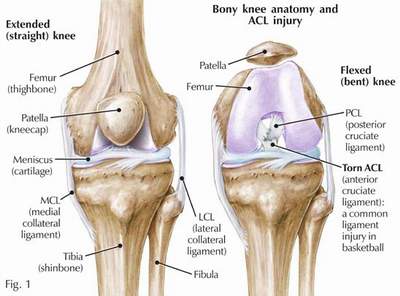
0 ACL Injuries May be More Common in Men

NEW YORK (Reuters Health) - Despite research suggesting womens knees are more prone to ligament injuries, a new Swedish study finds that men in that country have a greater number of anterior cruciate ligament (ACL) tears, and surgeries to fix them, than do Swedish women.

The report, published in the American Journal of Sports Medicine, is the first to count ACL injuries across the entire Swedish population - not just among players of particular sports, or in certain regions - which may help explain the findings, according to the authors.

"I think the difference is that earlier studies studied at-risk populations. In those studies, women are more prone to get injured. The difference with this study is that we studied the general population," said Dr. Richard Nordenvall, of Karolinska University Hospital in Stockholm.

The ACL is the key stabilizing ligament in the knee, and is most often injured during sports that involve quick turns or pivoting movements, like basketball, soccer and skiing. It has been estimated that 80,000 cruciate ligament injuries (the majority, ACL) occur in the U.S. every year, and almost half are surgically repaired.
ACL InjuriesData for Sweden was incomplete, so Nordenvall and his colleagues used a nationwide database of patients to see how many Swedes had knee ligament injuries and how many had surgical repairs between 2002 and 2009.

Overall, 56,659 people in Sweden tore a knee ligament during the study period. The researchers say that works out to an average of 78 tears for every 100,000 Swedish citizens.

Men accounted for about 34,000 of those tears, or 60 percent. Men also had 59 percent of the reconstructive surgeries associated with knee ligament injuries.

Swedish women tended to experience ACL injuries at a younger age (between ages 11 and 20, versus 21-30 for men).

When Nordenvall and his colleagues looked just at the age groups with the highest injury rates, men still had far more knee troubles. The numbers worked out to about 144 tears per 100,000 women between 11 and 20 years old, and 225 tears per 100,000 men aged 21-30.

Darin Padua, director of the Sports Medicine Research Laboratory at the University of North Carolina at Chapel Hill, said he was not surprised by the findings.

The evidence that women are more prone to ACL injuries is fairly specific to sports, not to the general population, explained Padua, who was not involved in the new research.

No one can say for certain why women seem to tear their knee ligaments earlier in life compared to men, Padua added, but he said it probably has to do with the bodys development and movement patterns.

What was uniform among both men and women in the Swedish study was the number who had surgery to reconstruct their ligaments. About 36 percent of men and women opted for reconstruction.

Those who chose surgery, however, tended to be younger - about 27 years old, on average - than those who didnt and whose average age was 35.

Padua said thats to be expected since not everyone needs their knee ligament repaired. He told Reuters Health that people who need surgery are the ones who will likely play sports - like basketball or tennis - in the future.

Typically, the cost of surgical repair on an ACL ranges between $6,000 and $8,000 in the Unites States.

For Nordenvall, the next step is to see what happens in those who have surgery.

"I am right now studying if reconstruction of the cruciate ligament prevents development of osteoarthritis," he told Reuters Health.

But he said its important for people to know how common the injury is.

"Its a common injury and its more common than what has been thought of earlier," he said.

Padua noted this study also helps to illustrate the point that both men and women should be taking part in injury prevention programs, many of which are accessible online, including one available for free on the University of North Carolinas Web site (http://bit.ly/PeLO29).

SOURCE: http://bit.ly/MXMvbC American Journal of Sports Medicine, online June 8, 2012.

Wednesday, November 13, 2013

0 Fruit that can be impotence drugs

Health for human |  During this time, aka impotence erectile dysfunction treated with the drug more Viagra. In fact, natural ingredients like fruits that contain lots of vitamins and minerals can also help increase sex drive and fight against impotence. So cut viagra drug consumption


There are different types of food that you can try to help increase sex drive and fight impotence. Most of the fruit that helps to increase sex drive contains high levels of certain vitamins and minerals that can help increase hormone levels, increase nitric oxide, which is a way for testosterone. Berikkut name of the fruit and their role:

1. pomegranate
Pomegranate fruit is probably one of the most well-known to increase sex drive. Studies show pomegranates beneficial for lowering blood pressure and reduces risk of heart disease. The scientists found that drinking pomegranate juice can actually increase the sex drive.

The main reason is because pomegranates produce nitric oxide (NO) which helps to open blood vessels and increases blood flow, which is great news for the libido.

2. fig
Ara is also very effective for increasing libido in both men and women, because they contain high levels of amino acids. Amino acids play an important role in normal sexual function and will help increase levels of nitric oxide in the body.

Ara said dapatk increase sexual stamina and has the look, taste and smell of sexual enough to sharpen all your senses to improve mood.

3. avocado
Avocados are also great for increasing sex drive. Avocados contain high levels of folic acid to help metabolize protein thus giving you a boost of energy.

Avocados contain good levels of vitamin B6 which helps to fight stress and give energy to keep going and also help with the production of testosterone. Avocados are also known to have benefits for increasing female libido due to the high potassium content.

4. banana
Bananas are a great way to start the day for people who are dieting. Not only for the diet, the fruit will also help to increase libido because it contains the enzyme bromelain. Bananas also has one of the highest level kaliun to help regulate energy levels and vitamin B.

5. date
Dates are sweet can provide energy and help increase sex drive because it contains amino acids. Dried dates are very popular among people who suffer from erectile dysfunction due dates are known to give a lot of energy.

Monday, October 28, 2013

0 Spicy in Chili be Healthy Heart

Spicy in Chili be Healthy Heart | Recent studies have shown that the compound in hot peppers can have significant benefits to protect against heart disease.

The study, led by Professor Zhen Yu Chen from the Chinese University of Hong Kong was disclosed in a forum National Meeting of the American Chemical Society to-243 in San Diego, USA.

From their testing more and more evident, the compound capsaicin that gives chili spicy flavor to be able to increase cardiac work.

Capsaicinoid substances in the capsaicin can reduce the accumulation of cholesterol in the body, with increasing damage to the fats are bad, then throw it out through the feces. Capsaicinoid block cyclooxygenase-2, a gene that makes the arteries to contract and may block blood flow to the heart.

Capsaicinoid also effectively trigger a decrease in fat in the blood vessels. This fat can narrow arteries and trigger heart disease or stroke. In conclusion, a substance belonging to the capsaicinoid help improve the health of the heart and blood vessels.

However, Chen warned, excessive consumption of chili is also not recommended for the health of people with heart disease. Therefore, the chili is not a substitute for medicine for heart disease that has existed at this time.

"Its basically a good diet is a balanced diet. Chili may be regarded as supplements," added the expert knowledge of nutrition and the food.

Tuesday, October 8, 2013

0 Why Weight Loss Surgery May Be Right For You

Weight loss surgery is one method of defense against a growing obesity problem across the world. For some individuals, trying different methods to lose weight has proven fruitless. Weight loss surgery is not for everyone, however. Government and medical agencies have set certain guidelines to determine if an individual is a good candidate for these operations, including gastric sleeve surgery.

Weight Guidelines

For gastric sleeve surgery and other weight loss surgeries, doctors look at a wide range of factors before giving you approval for an operation. First, most doctors will only recommend these drastic treatments for individuals who are considered severely obese. On the Body Mass Index scale, or BMI, an individual must have a score of 40 or more. For men, this generally means the individual is 100 pounds over their ideal weight. For women, this number is closer to 80 pounds.

If you are below the threshold but have other health conditions, including diabetes, doctors may still approve your surgery. Otherwise, a doctor may recommend a specific exercise and diet plan instead.

Lifestyle Considerations

Even if you meet the weight guidelines for weight loss surgeries, there are other considerations you must pass before becoming a good candidate for the operation. If youre a regular smoker, you must stop this habit before you can undergo the surgery. Smoking raises your risk of various complications, including infection, blood clotting and other potentially dangerous conditions. You must avoid smoking for a month prior and after the operation. Doctors will also consider other important lifestyle factors, including how long youve been obese and your overall health.

What to Know About Recovery

If you are considering weight loss surgery, you need to consider the recovery process. Regardless of which type of surgery you undergo, you will have to change your eating habits drastically after the operation. After most surgeries, you will be unable to consume the same amount of food as you could before the operation. For the first few days after your operation, your doctor will place you on a liquid-only diet. During this time, it is crucial for patients to adhere to their doctors recommendations to avoid any nutrient deficiencies.

After a few days of a liquid diet, you can begin to gradually introduce semi-solid foods back into your diet. Once you have become more comfortable with semi-solid foods, you can begin to consume solid foods. However, even when you reach this phase, your food consumption will still be limited. Most weight loss surgeries reduce the size of your stomach, making it impossible for you to eat too much without suffering adverse effects. Most doctors recommend you only eat about 800 calories per day for the first year after your surgery.

Is Weight Loss Surgery Right for You?

Weight loss surgery is only right for you if you fit the medical guidelines and can commit to the drastic lifestyle changes that will occur after your operation. After surgery, your weight should decrease dramatically, but you will need to stay committed to maintaining your loss by embracing new lifestyle habits.

A positive self image and life without burden - rediscover your confidence with AMBI Surgery s expert bariatric care. Offering vertical sleeve gastrectomy, and many other weight loss procedures. Visit us today at http://www.ambisurgery.com/ today to learn more.

By : John W Wright
Article source : Why Weight Loss Surgery May Be Right For You

Monday, September 9, 2013

0 Food Should be Avoided by Arthritis Patients

Food Should be Avoided by Arthritis Patients | your patients with rheumatoid arthritis? careful with your diet, there are many foods that can make your illness can be severe. In this article we will discuss about the foods that should be avoided for patients with rheumatoid arthritis.


Food Should be Avoided by Arthritis Patients


Avoid Foods for People with Arthritis. There are some foods that should be avoided by patients with rheumatic diseases. These foods are as follows.
  • Offal
  • Pinhead
  • Preserved fish, such as sardines
  • Salted fish
  • Smoked fish
  • Cured meats (ham, sausage)
  • Alcohol, preserved foods
  • Nuts
  • Asparagus
  • kale
  • Bamboo sprout
  • Meat
  • Goat
  • Emping melinjo

The above list is important for you to note, because sometimes we forget to consume foods that are to be avoided for people with rheumatic.

Tuesday, April 2, 2013

0 Relaxed at Work To Reduce Stress Can Be As Simple


Relaxed at Work - To Reduce Stress Can Be As Simple

Who wants to be healthy and productive, must learn to cope with the daily stress at work. Stress feels almost everyone, whether employed or self-employed. The stress triggers are varied and can not be easily eliminated from the world. Therefore, it is more important that you reduce stress by consciously relax. Relaxation phases in which the body and mind to rest, are essential to recharge your energy and stay healthy. A lasting stress affects the body and psyche. Before you get sick, you can prevent this and invest a little time in the stress management.

Short relaxation during lunch

Make a habit to observe breaks. Do not get distracted during the break from work. Take advantage of the break for a short relaxation, turn off completely. With autogenous training you will achieve optimal short relaxation, in order to concentrate and be productive again. In training courses, you will learn how to put yourself in the relaxed state, a kind of short sleep. This costs less time than a nap and is even more energy. Or take a short walk in the break, an additional portion of oxygen also increases the efficiency.

Switching off after work

Healthy sleep is essential to relieve stress. Many can not switch off after work and take the stress out of the bed. There, they roll their problems and can not sleep. To break this spiral of thoughts, it is important to consciously relax after work. A soothing bath with essential oils that promote relaxation, sports, Černý is the chance to get, or a quiet evening of TV - there are numerous ways to help power down. You should find out what is best for you.

Enjoy a relaxing weekend

Take a break at the weekend and do the things you enjoy. Which can
be a hiking trip into the mountains,
A short trip to the German coast
or to one of the many attractions.

A day in a spa or a spa is to relax. A relaxing weekend full of wonderful memories there for long periods of energy. You can also make your home beautiful, insert a wellness and relax on the couch. Many find it hard to switch off completely at home as they always discover something that will not get done.

Relaxing treat

Relax the most, you can leave. For self-employed, it is not easy to take a vacation, because who does not work as self-employed earns nothing. But just as a worker should a self-employed enjoy a longer vacation. The only way to reduce stress on vacation, will be back after that performance.

A spa vacation is perfect for this: massages, treatments and baths with high quality essential oils provide deep relaxation. Many spa hotels are surrounded by natural beauty, which likewise have salutary effect on the psyche. If you want to stay healthy, should also pay attention to that is the health of his psyche.
 

2012 i wanna free acne Health basic