Showing posts with label may. Show all posts

Friday, May 16, 2014

0 Carotenoids in Diet from Fruits and Vegetables May Help Prevent or Delay the Onset of ALS

Amyotrophic lateral sclerosis, better known as ALS, is a devastating degenerative illness that incapacitates its victims in a manner similar to those suffering from Alzheimer’s disease. At present, there is no known cure or effective treatment for the illness, believed to be the result of oxidative stress caused by decades of poor diet, stress, environmental toxins and poor physical conditioning. Researchers have now discovered that increased consumption of foods containing colorful carotenoids, particularly beta-carotene and lutein, may prevent or delay the onset of ALS.

Natural Sources of Fruits and Dark Leafy Vegetables Help Lower Risk of Developing ALS
ALS, or Lou Gehrig’s disease, is a progressive neurological disease that attacks nerve cells in the brain and spinal cord known to be responsible for the control of voluntary muscles. As the motor neurons degenerate, the muscles they control gradually weaken and waste away, leading to paralysis. A research team from the Harvard School of Public Health has published the results of their research in the Annals of Neurologythat builds on prior studies showing that carotenoids, the natural compounds that give fruits and vegetables their bright orange, red, or yellow colors, provide critical antioxidant support to help fight this devastating disease.

Scientists evaluated five large studies comprising more than one million participants to develop a basis for evaluation. Researchers reviewed food intake for the group and further broke consumption down to determine carotenoids eaten in the form of fruits and vegetables. Lead study author Dr. Alberto Ascherio noted “Understanding the impact of food consumption on ALS development is important. Our study is one of the largest to date to examine the role of dietary antioxidants in preventing ALS.”

Add Five to Nine Daily Servings of Fruits and Vegetables to Your Natural Food Diet
A total of 1093 cases of ALS were identified across the cohort of subjects. The team found that those with the highest intake of carotenoids from any source had the lowest risk of developing ALS. They also determined that individuals who consumed more carotenoids in their diets were more likely to exercise, have an advanced degree, have higher vitamin C consumption, and take vitamin C and E supplements. Participants with the highest dietary consumption of beta-carotene and lutein, most commonly found in dark green vegetables had a reduced risk of developing ALS.

Interestingly, the researchers found that diets high in lycopene, beta-cryptoxanthin, and vitamin C did not reduce disease incidence, and long-term vitamin C supplement intake was also not associated with lower ALS risk. Dr. Ascherio concluded“Our findings suggest that consuming carotenoid-rich foods may help prevent or delay the onset of ALS.” This study acts to support a large volume of prior works that reinforce the critical importance of a natural food diet consisting largely of fruits and vegetables to thwart diseases ranging from cancer and diabetes to Alzheimer’s disease and ALS.

Monday, May 5, 2014

0 Multivitamins with minerals may protect older women with invasive breast cancer


Findings from a study involving thousands of postmenopausal women suggest that women who develop invasive breast cancer may benefit from taking supplements containing both multivitamins and minerals. The new research, published today in Breast Cancer Research and Treatment, found that the risk of dying from invasive breast cancer was 30 percent lower among multivitamin/mineral users compared with nonusers.

"Our study offers tentative but intriguing evidence that multivitamin/mineral supplements may help older women who develop invasive breast cancer survive their disease," said Sylvia Wassertheil-Smoller, Ph.D., lead author of the study and distinguished university professor emerita of epidemiology and population health at Albert Einstein College of Medicine of Yeshiva University.

Multivitamin/mineral supplements are the most commonly consumed dietary supplements among U.S. adults. They usually contain 20-30 vitamins and minerals, often at levels of 100 percent of U.S. Recommended Dietary Allowances or less, and the usual label recommendation is to take them daily.

The research was conducted as part of the Womens Health Initiative Clinical Trials and the Womens Health Initiative (WHI) Observational Study. Combined, the two studies include data from 161,608 postmenopausal women ages 50 to 79 when they first joined the study. These women were enrolled at 40 clinical centers throughout the United States during the years 1993-1998.

The current study focused on 7,728 participants who were diagnosed with invasive breast cancer during the WHI and were followed for an average of seven years after their diagnosis. Invasive breast cancer is defined as cancer that has spread outside the membrane of the milk glands or ducts and into the breast tissue. Two common types of invasive breast cancer are invasive ductal carcinoma and infiltrating lobular carcinoma.

After enrolling in the WHI and during repeated follow-up visits, all participants provided extensive information about their health including whether or not they had taken a multivitamin/mineral supplement at least once a week during the prior two weeks.

About 38percent of the 7,728 women who developed invasive breast cancer during the WHI were using the supplements. The vast majority were taking the supplements before their breast-cancer diagnosis. A comparison of mortality rates revealed that women with invasive breast cancer who took multivitamin/mineral supplements were 30 percent less likely to die from their cancers than women with invasive breast cancer who hadnt taken the supplements.

Could differences between the multivitamin/mineral users and nonusers account for this finding? The researchers looked at many possible confounding factors including additional supplements that the women took, their smoking status, education, race/ethnicity, weight, depression, alcohol use, physical activity, age at breast cancer diagnosis, and diabetes. The association between regular use of multivitamin/mineral supplements and reduced risk of death persisted even after these factors were taken into account.

"Controlling for these other factors strengthens our confidence that the association we observed – between taking multivitamin/mineral supplements and lowering breast-cancer mortality risk among postmenopausal women with invasive breast cancer – is a real one," said Dr. Wassertheil-Smoller, who also holds the Dorothy and William Manealoff Foundation and Molly Rosen Chair in Social Medicine Emerita. "But further studies are needed to confirm whether there truly is a cause-and-effect relationship here. And our findings certainly cannot be generalized to premenopausal women diagnosed with invasive cancer or to other populations of women."

Sunday, April 27, 2014

0 B Vitamin Supplements May Advance Kidney Decline In People With Diabetes

About 40% of people with diabetes will develop kidney disease (diabetic nephropathy); 44% of cases of renal failure are linked to diabetes.

B vitamins lower blood homocysteine levels, high levels of which are thought to raise the risk for diabetic nephropathy.

Can taking B vitamins lower the risk of kidney disease among diabetics? Researchers from Canada set out to answer that question:

Effect Of B-Vitamin Therapy On Progression Of Diabetic Nephropathy, Journal of the American medical Association, April 2010

They reported that people with diabetes and nephropathy who took supplemental vitamin B had a greater decline in kidney function than those taking placebo. Supplementers also had a higher rate of heart attack and stroke.

Patients took a tablet containing placebo or:
  • Folic acid (2.5 mg/d)
  • Vitamin B6 (25 mg/d)
  • Vitamin B12 (1 mg/d)
The RDA for those vitamins:
  • Folic acid (400 mcg/d = 0.4 mg/d)
  • Vitamin B6 (1.3 to 1.7 mg/d)
  • Vitamin B12 (2 to 3 mcg/d = .002 to .003 mg/d)
Note the high doses in the supplement.

Not only was the folic acid/B6/B12 blend not helpful, it likely did harm.

Science Daily has a good summary:
High Doses of B Vitamins Associated With Increased Decline in Kidney Function for Patients With Kidney Disease from Diabetes
________

Sunday, April 20, 2014

0 Dont ignore the snore Snoring may be early sign of future health risks


Heres a wake-up call for snorers: Snoring may put you at a greater risk than those who are overweight, smoke or have high cholesterol to have thickening or abnormalities in the carotid artery, according to researchers at Henry Ford Hospital in Detroit.

The increased thickening in the lining of the two large blood vessels that supply the brain with oxygenated blood is a precursor to atherosclerosis, a hardening of the arteries responsible for many vascular diseases.

"Snoring is more than a bedtime annoyance and it shouldnt be ignored. Patients need to seek treatment in the same way they would if they had sleep apnea, high blood pressure or other risk factors for cardiovascular disease," says lead study author Robert Deeb, M.D., with the Department of Otolaryngology-Head & Neck Surgery at Henry Ford.

"Our study adds to the growing body of evidence suggesting that isolated snoring may not be as benign as first suspected. So instead of kicking your snoring bed partner out of the room or spending sleepless nights elbowing him or her, seek out medical treatment for the snorer."

The study reveals changes in the carotid artery with snorers – even for those without sleep apnea – likely due to the trauma and subsequent inflammation caused by the vibrations of snoring.

Study results will be presented Friday at the 2013 Combined Sections Meeting of the Triological Society in Scottsdale, Ariz. It has been submitted to The Laryngoscope journal for publication.

Obstructive sleep apnea (OSA) – a sleep disorder that occurs due to the collapse of the airway in the throat during sleep and causes loud snoring and periodic pauses in breathing – has long been linked to cardiovascular disease, along with a host of other serious health issues.

But the risk for cardiovascular disease may actually begin with snoring, long before it becomes OSA. Until now, there was little evidence in humans to show a similar connection between snoring and cardiovascular risk.

For the Henry Ford study, Dr. Deeb and senior study author Kathleen Yaremchuk, M.D., reviewed data for 913 patients who had been evaluated by the institutions sleep center.

Patients, ages 18-50, who had participated in a diagnostic sleep study between December 2006 and January 2012 were included in the study. None of the participants had sleep apnea.

In all, 54 patients completed the snore outcomes survey regarding their snoring habits, as well as underwent a carotid artery duplex ultrasound to measure the intima-media thickness of the carotid arteries.

Carotid intima-media thickness, a measurement of the thickness of the innermost two layers of the arterial wall, may be used to detect the presence and to track the progression of atherosclerotic disease. Intima-media thickness is the first sign of carotid artery disease.

Compared to non-snorers, snorers were found to have a significantly greater intima-media thickness of the carotid arteries, the study finds.

The study also revealed no statistically significant differences in intima-media thickness for patients with or without some of the traditional risk factors for cardiovascular disease – smoking, diabetes, hypertension or hypercholesterolemia.

"Snoring is generally regarded as a cosmetic issue by health insurance, requiring significant out-of-pocket expenses by patients. Were hoping to change that thinking so patients can get the early treatment they need, before more serious health issues arise."

The Henry Ford research team plans to conduct another long-term study on this topic, particularly to determine if theres an increased incidence of cardiovascular events in patients who snore.

Friday, April 18, 2014

0 Healthy diet may help prevent recurrent heart attacks strokes


If you have cardiovascular disease, a heart-healthy diet may help protect you from recurrent heart attacks and strokes, according to new research in the American Heart Association journal Circulation.

"At times, patients dont think they need to follow a healthy diet since their medications have already lowered their blood pressure and cholesterol — that is wrong," said Mahshid Dehghan, Ph.D., study author and a nutritionist at the Population Health Research Institute, McMaster University in Hamilton, Ontario, Canada. "Dietary modification has benefits in addition to those seen with aspirin, angiotensin modulators, lipid-lowering agents and beta blockers."

For the study, 31,546 adults (average age 66.5) with cardiovascular disease or end organ damage were asked how often they consumed milk, vegetables, fruits, grains, fish, meat and poultry in the past 12 months. They were also asked about lifestyle choices such as alcohol consumption, smoking and exercise. Total scores were determined by daily fruits, vegetables, grains and milk consumed and the ratio of fish to meats consumed.

During a follow-up of nearly five years, participants experienced 5,190 cardiovascular events.

Researchers found those who ate a heart-healthy diet had a:

35 percent reduction in risk for cardiovascular death;
14 percent reduction in risk for new heart attacks;
28 percent reduction in risk for congestive heart failure; and
19 percent reduction in risk for stroke.
Food habits in different regions of the world varied considerably; however, a healthy diet was associated with prevention of recurrent cardiovascular disease throughout the world in countries with different economic levels, Dehghan said.

A diet rich in vegetables and fruits with a higher ratio of fish to meats appeared to be more beneficial for preventing heart disease than for preventing cancer, fractures or injury.

"Physicians should advise their high-risk patients to improve their diet and eat more vegetables, fruits, grains and fish," Dehghan said. "This could substantially reduce cardiovascular recurrence beyond drug therapy alone and save lives globally."

Wednesday, March 12, 2014

0 Reading Writing and Playing Games May Help Aging Brains Stay Healthy


Mental activities like reading and writing can preserve structural integrity in the brains of older people, according to a new study presented at the 2012 annual meeting of the Radiological Society of North America (RSNA).

While previous research has shown an association between late-life cognitive activity and better mental acuity, the new study from Konstantinos Arfanakis, Ph.D., and colleagues from Rush University Medical Center and Illinois Institute of Technology in Chicago studied what effect late-life cognitive activity might have on the brains white matter, which is composed of nerve fibers, or axons, that transmit information throughout the brain.

"Reading the newspaper, writing letters, visiting a library, attending a play or playing games, such as chess or checkers, are all simple activities that can contribute to a healthier brain," Dr. Arfanakis said.

The researchers used a magnetic resonance imaging (MRI) method known as diffusion tensor imaging (DTI) to generate data on diffusion anisotropy, a measure of how water molecules move through the brain. In white matter, diffusion anisotropy exploits the fact that water moves more easily in a direction parallel to the brains axons, and less easily perpendicular to the axons, because it is impeded by structures such as axonal membranes and myelin. "This difference in the diffusion rates along different directions increases diffusion anisotropy values," Dr. Arfanakis said. "Diffusion anisotropy is higher when more diffusion is happening in one direction compared to others."

The anisotropy values in white matter drop, however, with aging, injury and disease.

"In healthy white matter tissue, water cant move as much in directions perpendicular to the nerve fibers," Dr. Arfanakis said. "But if, for example, you have lower neuronal density or less myelin, then the water has more freedom to move perpendicular to the fibers, so you would have reduced diffusion anisotropy. Lower diffusion anisotropy values are consistent with aging."

The study included 152 elderly participants, mean age 81 years, from the Rush Memory and Aging Project, a large-scale study looking at risk factors for Alzheimers disease. Participants were without dementia or mild cognitive impairment, based on a detailed clinical evaluation. Researchers asked the participants to rate on a scale of 1 to 5 the frequency with which they participated in a list of mentally engaging activities during the last year. Among the activities were reading newspapers and magazines, writing letters and playing cards and board games.

Participants underwent brain MRI using a 1.5-T scanner within one year of clinical evaluation. The researchers collected anatomical and DTI data and used it to generate diffusion anisotropy maps.

Data analysis revealed significant associations between the frequency of cognitive activity in later life and higher diffusion anisotropy values in the brain.

"Several areas throughout the brain, including regions quite important to cognition, showed higher microstructural integrity with more frequent cognitive activity in late life," said Dr. Arfanakis. "Keeping the brain occupied late in life has positive outcomes."

According to Dr. Arfanakis, diffusion anisotropy drops gradually beginning at around age 30. "Higher diffusion anisotropy in elderly patients who engage in frequent cognitive activity suggests that these people have brain properties similar to those of younger individuals," he said.

Tuesday, March 11, 2014

0 Expanding waistlines may contribute to cancer


Fat progenitor cells may contribute to cancer growth by fortifying the vessels that provide needed blood to tumors, according to preclinical research findings by investigators at The University of Texas Health Science Center at Houston (UTHealth).

The results were reported in Cancer Research, a journal of the American Association for Cancer Research.

Studies of groups of people have demonstrated a link between obesity and certain cancers; however, the physiological causes have not been identified. The World Health Organization reports that in 2008 there were more than 1.4 billion obese adults in the world and that cancer claimed the lives of 7.6 million that year.

Some researchers have theorized that what obese people eat may affect cancer progression. However, although diet is an important factor, the direct effect of excess fat tissue on tumors has to be taken into consideration, said Mikhail Kolonin, Ph.D., senior author and associate professor at the Center for Stem Cell and Regenerative Medicine at the Brown Foundation Institute of Molecular Medicine for the Prevention of Human Diseases at UTHealth.

The UTHealth scientists found a new link between tumor growth and obesity. They report that tumors emit a signal that attracts progenitor cells from white adipose tissue in mouse models of cancer. These cells in turn support the network of blood vessels that nourish tumors - a process called tumor angiogenesis.

“For the first time, we have demonstrated that excess fat is a key factor in cancer progression regardless of the diet contributing to the extra weight,” Kolonin said.

“In an attempt to understand how fat tissue fuels tumor growth, our laboratory has focused on a possible role of adipose stromal progenitor cells. These cells serve as stem cells in fat tissue. We have discovered that they expand in obesity and are mobilized into the systemic circulation,” Kolonin said.

“Our experiments show that fat progenitors are recruited by tumors, where they incorporate into blood vessels and become fat cells,” said Yan Zhang, M.D., Ph.D., the study’s lead author and research scientist at the UTHealth Medical School. “We found that obese animal fat progenitor cells recruited by tumors improved vascular function and, theore, increased survival and proliferation of cancer cells.”

Chieh Tseng, study author and graduate research assistant at the The University of Texas Graduate School of Biomedical Sciences at Houston, said, “Our work has the potential to help a lot of people. Currently, we are investigating the molecular mechanisms of fat progenitor cell homing to tumor. We are also screening for new molecules targeting the pathways through which cells traffic from fat tissue to promote tumor growth.”

“The next step in this research would be to inactivate fat progenitor cells in an effort to slow cancer progression,” said Kolonin, who is on the faculty of the graduate school and is the holder of the Jerold B. Katz Distinguished Professorship in Stem Cell Research at UTHealth.

Other UTHealth study authors include Alexes Daquinag, Ph.D., Felipe Amaya-Manzanares and Olga Sirin, Ph.D.

The study, which is titled “Stromal Progenitor Cells from Endogenous Adipose Tissue Contribute to Populations of Pericytes and Adipocytes in Tumor Microenvironment,” was supported by the Cancer Prevention & Research Institute of Texas and the American Cancer Society.

Wednesday, February 26, 2014

0 Eating lots of carbs sugar may raise risk of cognitive impairment


People 70 and older who eat food high in carbohydrates have nearly four times the risk of developing mild cognitive impairment, and the danger also rises with a diet heavy in sugar, Mayo Clinic researchers have found. Those who consume a lot of protein and fat relative to carbohydrates are less likely to become cognitively impaired, the study found. The findings are published in the Journal of Alzheimers Disease.

The research highlights the importance of a well-rounded diet, says lead author Rosebud Roberts, M.B., Ch.B., a Mayo Clinic epidemiologist.

"We think its important that you eat a healthy balance of protein, carbohydrates and fat, because each of these nutrients has an important role in the body," Dr. Roberts says.

Researchers tracked 1,230 people ages 70 to 89 who provided information on what they ate during the previous year. At that time, their cognitive function was evaluated by an expert panel of physicians, nurses and neuropsychologists. Of those participants, only the roughly 940 who showed no signs of cognitive impairment were asked to return for follow-up evaluations of their cognitive function. About four years into the study, 200 of those 940 were beginning to show mild cognitive impairment, problems with memory, language, thinking and judgment that are greater than normal age-related changes.

Those who reported the highest carbohydrate intake at the beginning of the study were 1.9 times likelier to develop mild cognitive impairment than those with the lowest intake of carbohydrates. Participants with the highest sugar intake were 1.5 times likelier to experience mild cognitive impairment than those with the lowest levels.

But those whose diets were highest in fat -- compared to the lowest -- were 42 percent less likely to face cognitive impairment, and those who had the highest intake of protein had a reduced risk of 21 percent.

When total fat and protein intake were taken into account, people with the highest carbohydrate intake were 3.6 times likelier to develop mild cognitive impairment.

"A high carbohydrate intake could be bad for you because carbohydrates impact your glucose and insulin metabolism," Dr. Roberts says. "Sugar fuels the brain -- so moderate intake is good. However, high levels of sugar may actually prevent the brain from using the sugar -- similar to what we see with type 2 diabetes."

Thursday, February 6, 2014

0 Earthing Why Reconnecting With Nature May Be All You Need

Today I want to talk about something a little different. At first glance, it may seem incredibly hokey. Okay, it WILL seem incredibly hokey. But just stick with me here for a moment... I think theres really something to it.

Im talking about earthing... the process of grounding your body to the earth. Direct contact, no socks or shoes. Skin on earth. (Or with the assistance of a grounding system, as youll see later.) Believe it or not, theres good science to back it up... and not just through subjective measurements either... there are real, objective, measurable changes that take place in the human body when we connect with our earth. Reconnecting with nature in this way has been shown to reduce cortisol (a stress hormone), improve blood flow, and regulate our sleep cycles, among other things. Allow me to explain a little more...

The surface of the planet is electrically conductive, with the exception of extreme environments like deserts (1, 2). Essentially, the earth is teeming with electrons which, through direct contact with the ground, can have an impact on our internal bioelectrical environment.

Okay, complicated... I know. Lots of big words you tried to forget as soon as you finished your last chemistry final. Just know this... our bodies are electrical circuits. Our lives and our wellness depend on these circuits running properly. The beat of our heart, the function of our organs, the free-flowing nature of our blood, the ability to think and move... all of this is dependent on electrical impulses.

Now, if making direct contact between our bodies and the earth provides a transfer of electrons, or electrical potential, do you think this might have an effect on how our bodies operate? It just might... when you think about it, the notion isnt so crazy.

Luckily, some really smart people out there are putting earthing to the test. Heres what we know.

Earthing may improve cardiovascular health.
A recent study looked at the effect of earthing on blood viscosity (3). In a healthy body, our red blood cells maintain a negative charge on their surface, repelling other red blood cells away like a magnet. This is what allows our blood to flow freely through our body. Without this negative electrical charge, our blood would clot and life as we know it would end. Viscous blood, like that which would occur if this electrical charge were diminished, is associated with several problems, including hypertension and diabetes. We dont want that.

After 2 hours of earthing treatment via an earthing system (electrically connects you to the earth, without you actually making direct contact with the earth), subjects showed an increased surface charge on the their red blood cells, indicating improved cardiovascular health. To quote the study itself, "Grounding appears to be one of the simplest and yet most profound interventions for helping reduce cardiovascular risk and cardiovascular events." Talk about bang for your buck.

Sleeping grounded may reduce chronic pain.
Subjects who suffered from sleep disturbances and chronic muscle/joint pain were given either a night-time earthing treatment or placebo. Most of those who were given the grounding treatment reported reduced pain, while most of those in the control group did not (4).

Earthing activates the parasympathetic nervous system, thereby reducing stress.
In a double-blind study, those who were treated with a 2-hour grounding session showed markers of reduced stress and increased rest and relaxation. The results were immediate upon beginning the treatment, and they faded slowly after the treatment ended (5).

Sleeping grounded reduces cortisol and regulates your sleep cycle, and may improve sleep, pain, and perceived stress.
In this study, 12 subjects who complained of sleep dysfunction, pain, and stress were asked to sleep on a grounded, conductive mattress (6). After 8 weeks, the subjects showed reduced overnight cortisol levels, and a normalization of the 24-hour cortisol profile (cortisol ebbs and flows throughout the day).

In addition to these objective measures... subjectively reported symptoms, including sleep dysfunction, pain, and stress were reduced or eliminated in nearly all subjects.

Earthing may reduce risk for osteoporosis.
One study found that just one night of grounded sleeping significantly reduced renal excretion of calcium and phosphorous, two important minerals in the degenerative disorder osteoporosis. In addition, this one night of sleep also had a significant effect on blood levels of iron, sodium, potassium, and magnesium (7). 

Earthing may promote antioxidant activity.
Theres even a theory out there that earthing can help protect our cells from oxidative damage. The electrons picked up from the earths surface may act as antioxidants, preventing the damage caused by free radicals (8). More antioxidant capacity means healthier cells, less disease, and healthier aging.


Okay so thats sort of a random hodge-podge of information. Lets bring it all together, shall we? Here are the benefits of earthing, as we currently understand it...
  • Improved blood flow and cardiovascular health
  • Possible reduced chronic pain
  • Reduced stress
  • Enhanced relaxation and recovery
  • Reduction in markers of osteoporosis
  • Possible increase in antioxidant capacity
Pretty cool huh? Plus, its easy to do, and theres really no risk of harm... just walk around baoot. You have no reason not to try it. Take off those shoes, get your feet dirty, go for a walk, swim in the ocean... if you wanna get a little crazy, lay out in the grass naked for a while. I cant think of a better way to get those electrons! Or if you want to get really serious, get yourself one of these earthing kits and give it a go!

But even if youre skeptical, think of it this way...

Being outside makes us happy.
In addition to all that, doesnt nature just bring a smile to your face? I mean, whens the last time you lounged around outdoors on a beautiful day and had a horrible time?? Id bet thats never happened. At the very least, spending time outdoors is therapeutic because of the happiness factor. Whether its the sun, the ocean, or walking baoot in the grass, theres something about being outside that makes us feel good. I think we should take that as a sign that were doing something good for our bodies, dont you?

Sunday, February 2, 2014

0 Dietary Fiber May Reduce Risk Of Death From Heart Disease

Research from Japan this month finds that dietary fiber from fruit and cereals/grains, but not from vegetables, reduced the risk of death from cardiovascular disease:
Dietary Fiber Intake Is Associated with Reduced Risk of Mortality from Cardiovascular Disease among Japanese Men and Women, The Journal of Nutrition, August 2010

The study which involved over 58,000 men and women was prospective with a 14-year follow-up.

Both soluble and insoluble fiber provided benefit, but insoluble reduced risk more than soluble. Fruit fiber reduced risk more than cereal/grain fiber.

The findings are in good company:
"The inverse associations of fruit and cereal fiber intakes, but not vegetable fiber intake, with mortality from [coronary heart disease] in the present study were consistent with findings from previous studies: the Womens Health study, Nurse Health study, Cardiovascular Health Study, and the pooled analysis of 10 American and European cohort studies."
Possible mechanisms:
  • Fiber, especially soluble, may improve lipid profile via cholesterol lowering.
  • Fiber may lower blood pressure
  • Fiber may reduce abdominal obesity
  • Fiber may improve insulin sensitivity
  • Fiber may inhibit a postprandial rise in glucose and triglycerides
  • Fiber, especially insoluble, may improve fibrinolytic activity (reduce blood clotting)
Those in the highest fiber intake group consumed about 14 grams/day, about double what those in the lowest intake group consumed. The authors state this may have been underestimated and that the actual mean (not maximum) fiber intake was about 15 grams/day.

The hazard ratio, in the highest vs. lowest quintile, for insoluble fiber:
  • For men: 0.48
  • For women: 0.49
Insoluble fiber cut their risk of death from coronary heart disease in half.

The American Heart Association recommends adults consume about 25 grams of fiber a day from foods rather than supplements.

These finding dont bode well for low-carb, low-cereal-fiber Atkins-like diets.
________

Tuesday, January 21, 2014

0 Exercise related changes in estrogen metabolism may lower breast cancer risk


Changes in estrogen breakdown, or metabolism, may be one of the mechanisms by which aerobic exercise lowers a womans breast cancer risk, according to data published in Cancer Epidemiology, Biomarkers & Prevention, a journal of the American Association for Cancer Research.

"Observational studies suggest physical activity lowers breast cancer risk, but there are no clinical studies that explain the mechanism behind this," said Mindy S. Kurzer, Ph.D., professor in the Department of Food Science and Nutrition at the University of Minnesota in Saint Paul. "Ours is the first study to show that aerobic exercise influences the way our bodies break down estrogens to produce more of the good metabolites that lower breast cancer risk."

Kurzer and her colleagues conducted the Women in Steady Exercise Research (WISER) clinical trial, which involved 391 sedentary, healthy, young, premenopausal women. They randomly assigned the women to two age-matched, body mass index-matched groups: a control group of 179 women and an intervention group of 212 women.

While women in the control group continued a sedentary lifestyle for the entire study period, women in the intervention group performed 30 minutes of moderate-to-vigorous aerobic exercise five times a week for 16 weeks. Aerobic exercises included the treadmill, stair stepper or elliptical machine. The researchers adjusted the workout intensity for each individual so that the maximal heart rate was uniform among all participants.

Eighty-six percent of participants from the control group and 78 percent from the intervention group completed the study.

The researchers collected 24-hour urine samples on three consecutive days prior to study initiation and on three consecutive days at the end of the study. Using a state-of-the-art technique called liquid chromatography/tandem mass spectroscopy, they measured the amount of three parent estrogens, E1, E2 and E3, and nine of their breakdown products called metabolites, in the participants urine samples. According to Kurzer, estrogen metabolism favoring the production of a metabolite called 2-hydroxyestrone (2-OHE1) over one called 16alpha-hydroxyestrone (16alpha-OHE1), which results in an increase in the 2-OHE1/16alpha-OHE1 ratio, has been linked with a reduction in breast cancer risk.

She and her colleagues found that aerobic exercise led to an increase in the amount of 2-OHE1 and a decrease in the amount of 16alpha-OHE1, which led to a significant increase in the 2-OHE1/16alpha-OHE1 ratio. There were no changes in the 2-OHE1/16alpha-OHE1 ratio in the urine of control group participants.

"Exercise, known to favor fitness and improve heart health, is also likely to help prevent breast cancer by altering estrogen metabolism," said Kurzer. "It is very important, however, to decipher the biological mechanisms behind this phenomenon."

In collaboration with researchers at the University of Pennsylvania in Philadelphia, Kurzer is conducting similar studies in women with a high risk for breast cancer.

Wednesday, January 15, 2014

0 Calcium May Cut Risk for Precancerous Colon Lesions in Some People


Consuming higher amounts of calcium may lower the likelihood of precancerous colon and rectal lesions in people who are at increased risk due to variations in two genes, a new study suggests.

High calcium intake did not affect risk in people without the genetic variations.

The findings may help explain inconsistent results in previous research about the link between calcium intake and the risk for these lesions, called colorectal adenomas, the researchers said.

They also said the findings may help identify patients who would benefit from calcium supplements or higher levels of calcium in their diet.

The study of nearly 6,000 people in Tennessee found that patients with the highest calcium intake had no reduced risk for colorectal adenomas if they had no variations in two genes -- KCNJ1 and SLC12A1 -- that are essential in calcium reabsorption in the kidneys.

Fifty-two percent of the study participants had variations in at least one of the genes and 13 percent had variations in both genes. There was a strong association between high calcium intake and a 39 percent reduced risk of colorectal adenomas in those with a variation in one gene. High calcium intake was linked to a 69 percent reduced risk in those with variations in both genes.

The risk of advanced or multiple adenomas was 89 percent for people who had a high calcium intake and had variations in both genes, according to the study, which is scheduled for Wednesday presentation at the annual meeting of the American Association for Cancer Research, in Washington, D.C.

The findings suggest that a person with variations in one or both of the genes will have an increased risk for colorectal adenomas if they consume less than 1,000 milligrams of calcium a day, said study author Dr. Xiangzhu Zhu, a staff scientist with the epidemiology division in the department of medicine at Vanderbilt-Ingram Cancer Center in Nashville, Tenn.

"These patients should increase their calcium intake to reduce the risks," Zhu said in an association news release.

The findings could lead to genetic tests to identify people who would benefit from higher calcium intake, the researchers said. Although the research showed an association between increased calcium intake and lowered risk of adenomas, it did not prove a cause-and-effect relationship.

Because this study was presented at a medical meeting, the data and conclusions should be viewed as preliminary until published in a peer-reviewed journal.

Friday, November 29, 2013

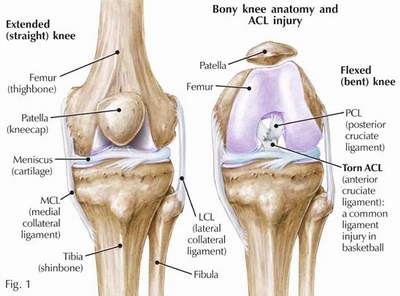
0 ACL Injuries May be More Common in Men

NEW YORK (Reuters Health) - Despite research suggesting womens knees are more prone to ligament injuries, a new Swedish study finds that men in that country have a greater number of anterior cruciate ligament (ACL) tears, and surgeries to fix them, than do Swedish women.

The report, published in the American Journal of Sports Medicine, is the first to count ACL injuries across the entire Swedish population - not just among players of particular sports, or in certain regions - which may help explain the findings, according to the authors.

"I think the difference is that earlier studies studied at-risk populations. In those studies, women are more prone to get injured. The difference with this study is that we studied the general population," said Dr. Richard Nordenvall, of Karolinska University Hospital in Stockholm.

The ACL is the key stabilizing ligament in the knee, and is most often injured during sports that involve quick turns or pivoting movements, like basketball, soccer and skiing. It has been estimated that 80,000 cruciate ligament injuries (the majority, ACL) occur in the U.S. every year, and almost half are surgically repaired.
ACL InjuriesData for Sweden was incomplete, so Nordenvall and his colleagues used a nationwide database of patients to see how many Swedes had knee ligament injuries and how many had surgical repairs between 2002 and 2009.

Overall, 56,659 people in Sweden tore a knee ligament during the study period. The researchers say that works out to an average of 78 tears for every 100,000 Swedish citizens.

Men accounted for about 34,000 of those tears, or 60 percent. Men also had 59 percent of the reconstructive surgeries associated with knee ligament injuries.

Swedish women tended to experience ACL injuries at a younger age (between ages 11 and 20, versus 21-30 for men).

When Nordenvall and his colleagues looked just at the age groups with the highest injury rates, men still had far more knee troubles. The numbers worked out to about 144 tears per 100,000 women between 11 and 20 years old, and 225 tears per 100,000 men aged 21-30.

Darin Padua, director of the Sports Medicine Research Laboratory at the University of North Carolina at Chapel Hill, said he was not surprised by the findings.

The evidence that women are more prone to ACL injuries is fairly specific to sports, not to the general population, explained Padua, who was not involved in the new research.

No one can say for certain why women seem to tear their knee ligaments earlier in life compared to men, Padua added, but he said it probably has to do with the bodys development and movement patterns.

What was uniform among both men and women in the Swedish study was the number who had surgery to reconstruct their ligaments. About 36 percent of men and women opted for reconstruction.

Those who chose surgery, however, tended to be younger - about 27 years old, on average - than those who didnt and whose average age was 35.

Padua said thats to be expected since not everyone needs their knee ligament repaired. He told Reuters Health that people who need surgery are the ones who will likely play sports - like basketball or tennis - in the future.

Typically, the cost of surgical repair on an ACL ranges between $6,000 and $8,000 in the Unites States.

For Nordenvall, the next step is to see what happens in those who have surgery.

"I am right now studying if reconstruction of the cruciate ligament prevents development of osteoarthritis," he told Reuters Health.

But he said its important for people to know how common the injury is.

"Its a common injury and its more common than what has been thought of earlier," he said.

Padua noted this study also helps to illustrate the point that both men and women should be taking part in injury prevention programs, many of which are accessible online, including one available for free on the University of North Carolinas Web site (http://bit.ly/PeLO29).

SOURCE: http://bit.ly/MXMvbC American Journal of Sports Medicine, online June 8, 2012.

Sunday, October 20, 2013

0 Root Canal When Your Tooth May Need It


Chronic tooth pain is among the most difficult body aches and pains for anyone to deal with. But how do you know if the pain can be dealt with utilizing a root canal? After all, the process costs a lot of money, so you need to know which situations actually require root canal treatment.
The basic symptoms that usually suggest a need for root canal therapy is a chronically painful tooth coupled with gum tenderness or swelling in the area right next to the tooth, or both tenderness and swelling occurring at the same time. Then again, not every tooth that calls for root canal can have the same visible symptoms. This is why it requires a dental expert to identify which teeth need to be treated.
The first way that dentists can discover the need for root canal in the absence of pain is by routine X-rays. Sometimes, the death of a nerve of a tooth may not be a painful occurrence, with the nerve tissue inside the tooth degenerating without resulting in any outward symptom. This means the need for root canal treatment can stay unknown, sometimes even for years.
In this case, the infection inside the tooth is not that dramatic and perhaps your body’s defense mechanisms are able to keep it under control, even without totally clearing up the infection. In the X-ray, this infection shows up as a dark spot at the tip of the root of the tooth, which shows a reduction in bone density surrounding that area. This comes about because of the infection kept inside the tooth which might have leaked out, and your body responded to the infection.
The second way that dentists require root canal is if a current dental work results in an exposure of a nerve tissue from your tooth. When this happens, you may feel a prick of pain, but other times, the patient has no idea that a nerve has been exposed. This exposure can cause a degeneration of the nerve tissue. In this case, the dentist may decide to go on with a root canal at this point instead of risking future complications, which may include painful tooth abscess.
The third symptom that dentists watch for is a recurring or persistent pimple developing on the gums. A lesion or pimple can sometimes form on the gums of a person whose tooth nerve has died. These pimples, called fistulous tracts, can appear and disappear, but they are technically drains for pus. This is why they normally produce a bad taste. Sometimes dentists may discover this kind of pimple during a routine checkup.
Lastly, teeth that have suffered trauma in any accident may sometimes be candidates for root canal. The nerve tissue of these teeth can deteriorate. Of course, not all teeth that have been bumped in a traumatic event can deteriorate, because sometimes they may do fairly well for many years. The usual hint that the nerve tissue in a tooth is degenerating is that it appears darkened compared to its neighbors.
In any case, a routine checkup should set your fears at rest, as your dental practitioner can help you pinpoint a need for root canal as soon as possible.

Tuesday, October 8, 2013

0 Why Weight Loss Surgery May Be Right For You

Weight loss surgery is one method of defense against a growing obesity problem across the world. For some individuals, trying different methods to lose weight has proven fruitless. Weight loss surgery is not for everyone, however. Government and medical agencies have set certain guidelines to determine if an individual is a good candidate for these operations, including gastric sleeve surgery.

Weight Guidelines

For gastric sleeve surgery and other weight loss surgeries, doctors look at a wide range of factors before giving you approval for an operation. First, most doctors will only recommend these drastic treatments for individuals who are considered severely obese. On the Body Mass Index scale, or BMI, an individual must have a score of 40 or more. For men, this generally means the individual is 100 pounds over their ideal weight. For women, this number is closer to 80 pounds.

If you are below the threshold but have other health conditions, including diabetes, doctors may still approve your surgery. Otherwise, a doctor may recommend a specific exercise and diet plan instead.

Lifestyle Considerations

Even if you meet the weight guidelines for weight loss surgeries, there are other considerations you must pass before becoming a good candidate for the operation. If youre a regular smoker, you must stop this habit before you can undergo the surgery. Smoking raises your risk of various complications, including infection, blood clotting and other potentially dangerous conditions. You must avoid smoking for a month prior and after the operation. Doctors will also consider other important lifestyle factors, including how long youve been obese and your overall health.

What to Know About Recovery

If you are considering weight loss surgery, you need to consider the recovery process. Regardless of which type of surgery you undergo, you will have to change your eating habits drastically after the operation. After most surgeries, you will be unable to consume the same amount of food as you could before the operation. For the first few days after your operation, your doctor will place you on a liquid-only diet. During this time, it is crucial for patients to adhere to their doctors recommendations to avoid any nutrient deficiencies.

After a few days of a liquid diet, you can begin to gradually introduce semi-solid foods back into your diet. Once you have become more comfortable with semi-solid foods, you can begin to consume solid foods. However, even when you reach this phase, your food consumption will still be limited. Most weight loss surgeries reduce the size of your stomach, making it impossible for you to eat too much without suffering adverse effects. Most doctors recommend you only eat about 800 calories per day for the first year after your surgery.

Is Weight Loss Surgery Right for You?

Weight loss surgery is only right for you if you fit the medical guidelines and can commit to the drastic lifestyle changes that will occur after your operation. After surgery, your weight should decrease dramatically, but you will need to stay committed to maintaining your loss by embracing new lifestyle habits.

A positive self image and life without burden - rediscover your confidence with AMBI Surgery s expert bariatric care. Offering vertical sleeve gastrectomy, and many other weight loss procedures. Visit us today at http://www.ambisurgery.com/ today to learn more.

By : John W Wright
Article source : Why Weight Loss Surgery May Be Right For You
 

2012 i wanna free acne Health basic