Showing posts with label eating. Show all posts

Thursday, April 24, 2014

0 What are the benefits of eating orange

Orange strengthens your emotional body, encouraging a general feeling of joy, well-being, and cheerfulness. They are popular with athletes because they can be easily eaten for a burst of energy. Delicious and juicy orange fruit contains an impressive list of essential nutrients, vitamins, minerals for normal growth and development and overall health and well-being.


Eating oranges provides many benefits. They are rich in Vitamins C and A, flavonoids, antioxidants, calcium, magnesium, potassium, dietary fiber etc. Oranges have more than 60 flavonoids and 170 phytonutrients that have been shown to have anti-inflammatory, anti-tumour and anti-oxidant properties.
It is no wonder that they are one of the most popular fruits in the world. Oranges are generally available from winter through summer with seasonal variations depending on the variety.Botanically, orange is the citrus fruit belonging to the family of Rutaceae of the genus; Citrus and scientifically known as "Citrus sinensis." 

An orange is a real powerhouse of phytochemicals which may help to prevent age related illness. Phytochemicals are plant chemicals that appear to offer no nutritional benefit for the body, but combine together to give protection to cells. This is already seen in plants and scientists believe that the same effect occurs in human cells. Oranges can be had not only as a snack but also as a major recipe ingredient in various dishes.

Here are some of the health benefits for oranges.

1) Natural source of Vitamin C

Oranges, like other citrus fruits, is an excellent source of vitamin C (provides 53.2 mg per 100 g, about 90% of DRI); Vitamin C is a powerful natural antioxidant. Consumption of foods rich in vitamin C helps the body develop resistance against infectious agents and scavenge harmful, pro-inflammatory free radicals from the blood.

2) Appetite booster
Studies have shown that the pectin present in oranges can help to suppress appetite for up to four hours after eating. This means that oranges are an excellent food for dieters.

3) Anti aging
Oranges help to activate the bodys own detoxification process and even the skin and zest of this fruit contain anti-oxidants which help to transport oxygen around the body and protect the skin from free radicals which cause signs of aging. In other words, eating oranges can help to keep the wrinkles away.

4) High in fiber
Oranges are an excellent source of dietary fiber and can be added to salads. Slices of orange can really liven up a boring salad, especially if you are watching your weight.

5) Lowers cholestrol
Oranges are full of soluble fiber, which is especially beneficial for lowering cholesterol levels. Soluble fiber attracts water in your gut, forming a slow-moving gel. As this gel substance travels through your intestinal tract, it picks up some of the excess cholesterol compounds and pushes them out through fecal waste. Your cholesterol levels will go down over time, decreasing your risk of suffering from heart disease.

6) Helps prevent cancer
Vitamin C is the primary water-soluble antioxidant in the body, disarming free radicals and preventing damage in the aqueous environment both inside and outside cells. Inside cells, a potential result of free radical damage to DNA is cancer. Especially in areas of the body where cellular turnover is especially rapid, such as the digestive system, preventing DNA mutations translates into preventing cancer. This is why a good intake of vitamin C is associated with a reduced risk of colon cancer. It also helps to fight skin, lung, breast and liver cancer.

7)Prevents Kidney Diseases
The regular intake of orange juice prevents kidney diseases. It also reduces the risk of forming calcium oxalate stones in the kidney. But take the juice in moderate amounts. Otherwise it can cause the decay of bones and teeth.

8) Boosts Heart Health
Oranges are full of potassium, an electrolyte mineral is responsible for helping the heart function well. When potassium levels get too low, you may develop an abnormal heart rhythm, known as an arrhythmia. 
Oranges are a good source of vitamin B folate which helps to support the production of haemoglobin and also help keep blood pressure under check due to the presence of magnesium, thus protects the heart.

According to a study in Finland, women who ate oranges regularly had 50% less risk of heart disease compared to those who didnt eat them regularly. This is thought to be because the flavanoids in this fruit are helping to protect the cells. One orange provides more than 7% of the daily requirement of potassium which is needed to keep the fluid levels within the body in proper balance.

9) Promotes good vision
Oranges are rich in vitamin A, which includes a group of compounds that protect your eyes. Carotenoid compounds of vitamin A, like lutein, beta carotene and zeaxanthin, can help prevent age-related macular degeneration, a condition that leads to blindness.

10) Fights Against Viral Infections
Studies show that the abundance of polyphenols in oranges protects against viral infections.

11) Relieves Constipation
Oranges are full of dietary fiber which stimulates digestive juices and relieves constipation.

12) Promotes bone health
Oranges are also good for your teeth and bone. They are rich in calcium. The high level of calcium in oranges helps to keep the bones and teeth strong.

13) Good for mens
Orange is also good for men because it helps keep their sperm healthy. According to studies, there is a compound in orange called folate. Folate is said to contain nutrients good for the health of a sperm. Folate besides keeping the sperm healthy also protects it from genetic damage.

14) Provides Smart Carbs
Oranges like all fruits have simple sugars in them, but the orange has a glycemic index of 40. Anything under 55 is considered low. This means as long as you don’t eat a lot of oranges at one time, they won’t spike your blood sugar and cause problems with insulin or weight gain.


Oranges are highly beneficial for your body. A medium, 2 1/2-inch orange offers lots of vitamins, minerals and fiber, all for a measly 60 calories. While orange juice is also full of nutrients, youll miss out on fiber, so it is better to consume the whole fruit. Oranges are easy to tote around, since the thick skin protects them from bruising. Toss one in your bag for a quick mid-morning snack, add orange wedges to a grilled chicken salad or find other ways to add more oranges to your diet

Wednesday, February 26, 2014

0 Eating lots of carbs sugar may raise risk of cognitive impairment


People 70 and older who eat food high in carbohydrates have nearly four times the risk of developing mild cognitive impairment, and the danger also rises with a diet heavy in sugar, Mayo Clinic researchers have found. Those who consume a lot of protein and fat relative to carbohydrates are less likely to become cognitively impaired, the study found. The findings are published in the Journal of Alzheimers Disease.

The research highlights the importance of a well-rounded diet, says lead author Rosebud Roberts, M.B., Ch.B., a Mayo Clinic epidemiologist.

"We think its important that you eat a healthy balance of protein, carbohydrates and fat, because each of these nutrients has an important role in the body," Dr. Roberts says.

Researchers tracked 1,230 people ages 70 to 89 who provided information on what they ate during the previous year. At that time, their cognitive function was evaluated by an expert panel of physicians, nurses and neuropsychologists. Of those participants, only the roughly 940 who showed no signs of cognitive impairment were asked to return for follow-up evaluations of their cognitive function. About four years into the study, 200 of those 940 were beginning to show mild cognitive impairment, problems with memory, language, thinking and judgment that are greater than normal age-related changes.

Those who reported the highest carbohydrate intake at the beginning of the study were 1.9 times likelier to develop mild cognitive impairment than those with the lowest intake of carbohydrates. Participants with the highest sugar intake were 1.5 times likelier to experience mild cognitive impairment than those with the lowest levels.

But those whose diets were highest in fat -- compared to the lowest -- were 42 percent less likely to face cognitive impairment, and those who had the highest intake of protein had a reduced risk of 21 percent.

When total fat and protein intake were taken into account, people with the highest carbohydrate intake were 3.6 times likelier to develop mild cognitive impairment.

"A high carbohydrate intake could be bad for you because carbohydrates impact your glucose and insulin metabolism," Dr. Roberts says. "Sugar fuels the brain -- so moderate intake is good. However, high levels of sugar may actually prevent the brain from using the sugar -- similar to what we see with type 2 diabetes."

Monday, January 13, 2014

0 This reason should not drink while eating

This reason should not drink while eating - Sipping water during dining amid seemingly harmless, it was helpful when there is food in my throat choked up. But do you know that the drinking water in the middle of a meal can be bad for digestion and health?

Macrobiotic counselor Shonali Sabherwal explains that drinking while eating can inhibit digestion and increase insulin levels quickly. This of course can be dangerous, especially if you are diabetic or have digestive diseases.

"Some people do not know how wrong this practice and what could have on their digestion. When the body begins to receive food, the digestive system to release digestive juices. If you drink water at the same time, you will be diluting the digestive juices and hinder its performance," said Sabherwal, as reported by the Times of India.

Research shows that drinking a little water during meals may not be a problem, but drinking a glass or two glasses of water can inhibit digestion. It is better to drink water two hours before or after a meal. This will help the digestive process and the body to absorb nutrients from food.

Incoming water during meals will be absorbed by the stomach wall. This continues until the water runs out. After that, re-issuing the digestive system to digest food liquids, but is thinner so it will inhibit digestion.

In addition, it can also lead to increased acid and heartburn. Not only that, drinking water during meals also increase insulin levels in the blood and causes the body to accumulate fat faster.

To prevent drinking water while eating, Shaberwal recommend that you do not eat foods that are too salty. Salty foods will make you faster thirsty and want to drink water. Also, do not eat in haste so that your food is stuck in my throat. In addition, many are chewing over. This will make the job easier when the stomach to digest food.

Saturday, December 7, 2013

0 The Benefit of Eating Starfruit


Starfruit is not only delicious eaten as a dessert fruit because it tastes fresh and sweet. But it also has many health benefits for the body, as long as possible we do not yet know.


Starfruit is a source of vitamins, especially vitamin A and C, as an antioxidant to fight free radicals tough. The fruit is also able to help prevent the spread of cancer cells, increase endurance and prevent ulcers.
Starfruit contains pectin that is able to bind cholesterol and bile acids contained preformance intestines and helps expenditures. In addition, this fruit can also reduce levels of bad cholesterol in the body.
The benefits of the other woods starfruit is improve digestion because leatherbacks have good fiber content. It also contains high levels of potassium and low sodium as a hypertension drug.
The content of other nutrients found in the fruit of this star are proteins, carbohydrates, minerals, calcium, phosphorus, iron, vitamin A, B1 and C. Starfruit are suitable for fruit enthusiasts who are overweight because they contain low calories.

Thursday, December 5, 2013

0 health benefits of eating coconut

Health Benefits of Eating Coconut
health benefits of eating coconut, benefits of eating coconut meat, benefits of eating coconut butter, is coconut healthy to eat, benefits of coconut milk for skin, virgin coconut oil skin benefits, benefits of coconut oil for skin care, benefits of coconut milk on skin, benefits of coconut butter on skin, organic coconut oil health benefits, health benefits of coconut flour, health benefits of coconut flakes, health benefits of fresh coconut,
health_benefits_of_eating_coconut_fruits-vegetables-benefitsblogspot.com(1)
Health Benefits of Eating Coconut

BENEFITS:
A useful source of iron and fiber.
high in easy to digest fatty acids.

DRAWBACKS:
High in saturated fats and calories

health_benefits_of_eating_coconut_fruits-vegetables-benefitsblogspot.com(10)
Health Benefits of Eating Coconut
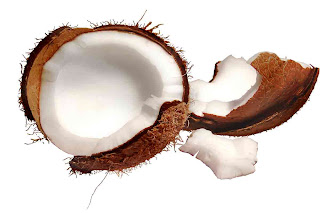
Coconut is a fruit, the word coconut is unique and different than other fruits, coconuts unique quality is that that it is tasteless but having refreshing and juicing water inside also coconut is tasteful in eating. The coconut the seed of a palm tree that grows mostly in tropical coastal areas, yields numerous food and nonfood products. The oil is used in vegetable shortening, nondairy creamers, some margarines, and many commercial baked goods, it is also an ingredient in shampoos, moisturizing skin lotions soaps, and various cosmetics. The creamy coconut meat that lines the interior of the nuts hard outer shell is eaten raw or used to flavor ice cream, confectionery products, and baked goods, Coconut milk, the sweet white fluid from the heart of the nut is served as a beverage or used as a marinade. An 8 ounce serving of fresh milk has only 60 calories mostly from sugars.
Dried coconut meat, or copra is rich in oil in fact  more than 90% of the fatty acids in coconuts are classified as saturated remarkably coconut oil is more highly saturated than the fat in butter or red meat. This high level of saturation results in an oil that resists turning rancid, making coconut oil ideal for commercial baking. However, it is also a major drawback, saturated fats tend to raise blood cholesterol levels. In light of this people who have elevated cholesterol levels or any other cardiovascular risk factors are typically advised to avoid products made with coconut oil.
on the plus side, the fatty acids are easy to digest and half cup of coconut meat has about 1mg of iron and a fair amount of fiber.   
health_benefits_of_eating_coconut_fruits-vegetables-benefitsblogspot.com(11)
Health Benefits of Eating Coconut

health_benefits_of_eating_coconut_fruits-vegetables-benefitsblogspot.com(12)
Health Benefits of Eating Coconut

health_benefits_of_eating_coconut_fruits-vegetables-benefitsblogspot.com(13)
Health Benefits of Eating Coconut

health_benefits_of_eating_coconut_fruits-vegetables-benefitsblogspot.com(14)
Health Benefits of Eating Coconut

health_benefits_of_eating_coconut_fruits-vegetables-benefitsblogspot.com(2)
Health Benefits of Eating Coconut

health_benefits_of_eating_coconut_fruits-vegetables-benefitsblogspot.com(3)
Health Benefits of Eating Coconut

health_benefits_of_eating_coconut_fruits-vegetables-benefitsblogspot.com(4)
Health Benefits of Eating Coconut

health_benefits_of_eating_coconut_fruits-vegetables-benefitsblogspot.com(5)
Health Benefits of Eating Coconut

health_benefits_of_eating_coconut_fruits-vegetables-benefitsblogspot.com(6)
Health Benefits of Eating Coconut

health_benefits_of_eating_coconut_fruits-vegetables-benefitsblogspot.com(7)
Health Benefits of Eating Coconut

health_benefits_of_eating_coconut_fruits-vegetables-benefitsblogspot.com(8)
Health Benefits of Eating Coconut

health_benefits_of_eating_coconut_fruits-vegetables-benefitsblogspot.com(9)
Health Benefits of Eating Coconut
Please Visit at:
fruits-vegetables-benefitsblogspot.com

chilis-benefits.
benefits-of-watermellon.
health-benefits-of-kale-juice.
health-benefits-of-drinking-milk.
benefits-of-juicing-apples.
health-benefits-of-lime.

Sunday, December 1, 2013

0 Likes Eating Fish Minimize Risk of Colon Cancer

Likes Eating Fish, Minimize Risk of Colon Cancer | There is good news for fans of fish consumption. A recent study indicates, people who love to eat fish may have a lower risk of colon and rectal cancer.

This finding is an analysis of the results of 41 previous studies that have linked the consumption of fish in the diet and new diagnoses and deaths from colorectal cancer.

"People who rarely eat fish during this, would likely benefit health in many ways, after they increased the number of fish consumption, such as reducing the risk of heart disease, reproductive, and now colon cancer," said Dr. Michael Gochfeld, from the University of Medicine and Demtistry, New Jersey-Robert Wood Johnson Medical School.

It is not yet known whether the benefits would be greater if the quantity of fish consumed is more.

Although this new study focused specifically on the consumption of fresh fish, the authors noted they could not determine what kind of fish should be consumed or how to serve it, since in previous studies is not explained.

However, according to Liang Dr.Jie of Xijing Hospital of Digestive Disease in Xian, China, which involved researching, said cooking temperature may affect the risk of colorectal cancer. He said there is evidence to suggest the consumption of meat and fish grilled or baked with high heat associated with cancer risk.

Assessment of Research

In his latest findings, Liang and colleagues collected data from 41 research studies that have previously been published between 1990 and 2011 that measure the amount of fish consumption and cancer diagnosis. The study includes a number of studies from the United States, Norway, Japan, Finland, and other countries.

Overall, regular fish consumption may lower a persons risk in kolorektar cancer, and death due to cancer by 12 percent.

Saturday, November 30, 2013

0 Food Addictions and Social Eating

There are certain addictions that can go along with food and the way we eat. Most would not even give it a second thought when food becomes part of the addictive personality. Learning or understanding these types of food addictions can lead to better food planning which can also lead to better health and fitness.

Sometimes the habitual or ritualistic consumption of a food becomes an addiction - something we physically or psychologically need (or perceive we need) to get through the day. Take a client of mine who well call Al. Al has to drink Mountain Dew every single morning, and I believe he drinks up to two liters during the course of a day. In my opinion, that level of consumption is an addiction. I am always talking to Al about the possible negative effects of drinking this unnaturally neon yellow liquid each day, but to no avail. This particular client has been working out with me for over two years; he is very fit, strong, and has low body fat. But that does not change the fact that he has an addiction to a high-calorie, low (zero) nutrient substance that may jeopardize (and certainly doesnt help) his health. Other people may be addicted to coffee, diet soda, chips, fries, cake... anything that you feel you physically or psychologically need to make it through the day, but which, in terms of nutritional needs, your body does not require. So how do we handle these addictive associations with food or drink?

Here is a tip: As with other addictions, a stepwise weaning process is required. To continue with Als example, I instructed him not to completely stop consumption of the soft drink he loves and needs so much; in my opinion, going cold turkey is not the best idea. I instructed this client to subtract one quarter of what he was drinking at every sitting. So every time he went to fill a glass with Mountain Dew he should subtract a quarter of it. I then instructed him to wait until his mind and body got used to drinking one quarter less of the soft drink before subtracting a second one quarter of the amount. I use the same principles for clients who need 6 to 8 cups of coffee every day.

The rationale behind this system is that there is enough caffeine and/or sugar in those drinks which could cause a person physical symptoms such as headaches, shaking, or dizziness if they were to stop cold turkey. So when my clients have an addiction to a food or drink, I instruct them to wean themselves off of it in a manner the body and the mind can adapt to. Essentially, the body has to go through a withdrawal without the mind realizing that the particular soft drink or food is being taken away. During this time of weaning I make sure I give clients enormous amount of positive reinforcement and positive motivation. On some occasions I may also use a little stern verbiage or tough love as motivation, with the understanding of my clients that this is because I am involved in what they are doing. I make sure my clients understand I am a part of their journey; however, keeping everything in perspective, I cannot go to my clients house and subtract the amount of soft drink or subtract the amount of coffee they are drinking each and every day. I cannot do the weaning process for them. They have to take responsibility for curbing their own food addictions. I can only encourage them and motivate them in the time I have with them.

Social Eating

For as long as humans have lived in groups, food has held a central role in the social and cultural interactions among us. Imagine any social gathering and food features prominently: birthdays (cake and ice cream); weddings (dinner, drinks, cake); cocktail parties (hors doeuvres and alcohol); Super Bowl parties (beer, nachos, wings, pizza); holiday parties (eggnog, cookies) and so on. Im sure you could think of many more occasions and list your favorite foods associated with each. There is also the "mangia, mangia, mangia" mentality of many hostesses when you are traveling or visiting, insisting that you eat this, try this, have more of this, and then dessert! In these situations it can be socially awkward or downright rude to refuse. Changing your eating habits does not mean excluding yourself from social life. These events are important for our social and emotional well-being, and are the "highlights" of life, breaking from the normal routine.

Article by : Michaelson Williams

Article Source : Food Addictions and Social Eating

Saturday, November 23, 2013

0 benefits of eating raspberry

Benefits of Eating Raspberry
benefits of eating raspberry, benefits of raspberry juice, benefits of eating raspberries, benefits of raspberries on skin, black raspberry health benefits, health benefits of eating raspberries, red raspberry health benefits, health benefits of red raspberries, boysenberry health benefits.
benefits_of_eating_raspberry_fruits-vegetables-benefitsblogspot.com(benefits_of_eating_raspberry_1)
benefits of eating raspberry
BENEFITS:
A rich source of vitamin C.
Contain useful amount of folate, iron, and potassium.
Provide bioflavonoid, which may protect against cancer.
High in fiber.

DRAWBACKS:
Contain a natural salicylate, which can cause an allergic reaction in aspirin sensitive people.
Contain oxalic acid, which can aggravate kidney and bladder stones in susceptible person.

benefits_of_eating_raspberry_fruits-vegetables-benefitsblogspot.com(benefits_of_eating_raspberry_2)
benefits of eating raspberry
Raspberries are the fruit having a lot of juice, there is no sweeter surprise on a summer day than to stumble across a wild raspberries patch. Raspberries both wild and cultivated are low in calories and a rich source of vitamin C.
A half cup serving of raspberries contain 30 calories and 15 mg of vitamin C (25% of the adult Recommended Dietary Allowance RDA). It also provides 3mcg (micrograms) of folate, 125mg of potassium, and some iron. The vitamin C content increases the iron’s absorption, although this may be offset by the oxalic acid in raspberries, which binds with this mineral.
The seeds in raspberries provide an insoluble fiber that helps prevent constipation. The fruit is also high in pectin, a soluble fiber that helps control blood cholesterol levels. In addition, raspberries contain ellagic acid and other BIOFLAVONOIDS, ANTIOXIDANT plant pigments that may help prevent some types of cancer. Cooking does not destroy ellagic acid, so even raspberry jam may be beneficial.
Raspberries spoil faster than most berries do because of their delicate structure and hollow core. Once picked, they should be eaten as soon as possible. Freezing, however, will preserve them for up to a year.
Cultivated raspberries can be found year round in gourmet and specialty stores, and when they are in season, at many supermarkets. Before buying raspberries, check that all of them, not just the once on top, are in good condition even then, they mold quickly and should be used within 24 hours.
Berries often produce allergic reaction, and raspberries are no exception. Those who are sensitive to aspirin may also react to raspberries, which contain a natural salicylate, the major ingredient in aspirin. Oxalic acid can precipitate kidney and bladder stones in susceptible people , however it would take a very large amount of raspberries to create problems. 
benefits_of_eating_raspberry_fruits-vegetables-benefitsblogspot.com(benefits_of_eating_raspberry_3)
benefits of eating raspberry
benefits_of_eating_raspberry_fruits-vegetables-benefitsblogspot.com(benefits_of_eating_raspberry_4)
benefits of eating raspberry
benefits_of_eating_raspberry_fruits-vegetables-benefitsblogspot.com(benefits_of_eating_raspberry_5)
benefits of eating raspberry
benefits_of_eating_raspberry_fruits-vegetables-benefitsblogspot.com(benefits_of_eating_raspberry_6)
benefits of eating raspberry
benefits_of_eating_raspberry_fruits-vegetables-benefitsblogspot.com(benefits_of_eating_raspberry_7)
benefits of eating raspberry
benefits_of_eating_raspberry_fruits-vegetables-benefitsblogspot.com(benefits_of_eating_raspberry_8)
benefits of eating raspberry
benefits_of_eating_raspberry_fruits-vegetables-benefitsblogspot.com(benefits_of_eating_raspberry_9)
benefits of eating raspberry
benefits_of_eating_raspberry_fruits-vegetables-benefitsblogspot.com(benefits_of_eating_raspberry_10)
benefits of eating raspberry
benefits_of_eating_raspberry_fruits-vegetables-benefitsblogspot.com(benefits_of_eating_raspberry_11)
benefits of eating raspberry
benefits_of_eating_raspberry_fruits-vegetables-benefitsblogspot.com(benefits_of_eating_raspberry_12)
benefits of eating raspberry
benefits_of_eating_raspberry_fruits-vegetables-benefitsblogspot.com(benefits_of_eating_raspberry_14)
benefits of eating raspberry
benefits_of_eating_raspberry_fruits-vegetables-benefitsblogspot.com(benefits_of_eating_raspberry_15)
benefits of eating raspberry
benefits_of_eating_raspberry_fruits-vegetables-benefitsblogspot.com(benefits_of_eating_raspberry_16)
benefits of eating raspberry
benefits_of_eating_raspberry_fruits-vegetables-benefitsblogspot.com(benefits_of_eating_raspberry_13)
benefits of eating raspberry
Please Visit at
fruits-vegetables-benefitsblogspot.com

health-benefits-of-eating-mango.
benefits-of-eating-leeks.
health-benefits-of-mayonnaise.
health-benefits-of-raw-chocolate.
health-benefits-of-eating-cheese.
benefits-of-juicing-celery.
health-benefits-of-eating-avocado.

Thursday, October 31, 2013

0 health benefits of eating avocado

Health Benefits of Eating Avocado
health benefits of eating avocado, health benefits of eating avocados, what are the health benefits of eating avocados, benefits of eating avocado daily, benefits of eating avocado for skin, benefits of eating avocado daily, benefits of eating avocado for hair, benefits of eating raw avocado, benefits of eating avocado seed, different types of avocado, different types of avocados, types of avocados florida, different kinds of avocados, types of avocados in florida, types of avocado trees, avocado tree nursery.
health_benefits_of_eating_avocado_fruits-vegetables_benefitsblogspot.com(1)
health benefits of eating avocado
BENEFITS:
A rich source of folate, vitamin A, and potassium.
Useful amounts of protein, iron, magnesium and vitamins C, E and B6.
DRAWBACKS:
Very high in calories, with 85 % coming from fat.
health_benefits_of_eating_avocado_fruits-vegetables_benefitsblogspot.com(10)
health benefits of eating avocado
Although it is often mistaken for a vegetable, the avocado is a fruit, the reproductive part of the plant. The rich buttery flavor and smooth texture of an avocado make it a complementary addition to vegetable, meat and pasta salads. It is also the main ingredient in guacamole, and when mashed and seasoned, ti can be served as a dip or sandwich spread, but despite its versatility and nutritional value, the avocado should be used sparingly. It contains approximately 200 calories in a 4 ounce serving, and it has more fat and calories than any other fruit, because most of the fat in avocados is monounsaturated it does not tend to elevate blood cholesterol levels, unlike the saturated oil that comes from palms and other tropical plants.
health_benefits_of_eating_avocado_fruits-vegetables_benefitsblogspot.com(11)
health benefits of eating avocado
When served as part of an otherwise low fat meal or snack, an avocado contributes a number of important nutrients. Four ounces, about one half of a medium size fruit, provides 500 mg of potassium and more than one third of the Recommended Dietary Allowance (RDA) of folate, it also supplies 10 % or more of the RDAs for iron, magnesium and vitamin A, C E and B6.
Avocados should be served raw, they have a bitter taste when cooked, but they can be added to hot dishes that have already been cooked, for example, tossed with a spicy pasta sauce or sliced atop a broiled chicken breast.   
health_benefits_of_eating_avocado_fruits-vegetables_benefitsblogspot.com(12)
health benefits of eating avocado
DID YOU KNOW:
health_benefits_of_eating_avocado_fruits-vegetables_benefitsblogspot.com(13)
health benefits of eating avocado
The avocado is popularity known as the alligator pear because of the shape and rough skin of avocado most common variety. Some other types of avocado are round and larger in size. They may also range in color from dark green to almost black and from yellow to crimson.
Unlike most fruits, avocado start to ripen only after being cut from the tree, in fact the mature fruit can be left on the tree fro six months without spoiling. Once picked, however a green avocado will ripen in a few days.
Avocado is native to Central America, and mexico remains their leading producer. Avocado has more protein than any other fruit approximately 2 g in a 4 ounce serving.A medium size 8 ounce California avocado has about 30 g of fat, almost twice as much as its Florida cousin, (Approximately 85 % of the avocado that are consumed in the United States of America are a California variety.  
health_benefits_of_eating_avocado_fruits-vegetables_benefitsblogspot.com(14)
health benefits of eating avocado
health_benefits_of_eating_avocado_fruits-vegetables_benefitsblogspot.com(15)
health benefits of eating avocado
health_benefits_of_eating_avocado_fruits-vegetables_benefitsblogspot.com(16)
health benefits of eating avocado
health_benefits_of_eating_avocado_fruits-vegetables_benefitsblogspot.com(17)
health benefits of eating avocado
health_benefits_of_eating_avocado_fruits-vegetables_benefitsblogspot.com(18)
health benefits of eating avocado
health_benefits_of_eating_avocado_fruits-vegetables_benefitsblogspot.com(2)
health benefits of eating avocado
health_benefits_of_eating_avocado_fruits-vegetables_benefitsblogspot.com(3)
health benefits of eating avocado
health_benefits_of_eating_avocado_fruits-vegetables_benefitsblogspot.com(4)
health benefits of eating avocado

health_benefits_of_eating_avocado_fruits-vegetables_benefitsblogspot.com(5)
health benefits of eating avocado
health_benefits_of_eating_avocado_fruits-vegetables_benefitsblogspot.com(6)
health benefits of eating avocado
health_benefits_of_eating_avocado_fruits-vegetables_benefitsblogspot.com(7)
health benefits of eating avocado
health_benefits_of_eating_avocado_fruits-vegetables_benefitsblogspot.com(8)
health benefits of eating avocado
health_benefits_of_eating_avocado_fruits-vegetables_benefitsblogspot.com(9)
health benefits of eating avocado
Please Visit at
fruits-vegetables-benefitsblogspot.com
raw-butter-health-benefits
health-benefits-of-lime
health-benefits-of-onion
health-benefits-of-peaches
 

2012 i wanna free acne Health basic