Showing posts with label by. Show all posts

Tuesday, May 13, 2014

0 Medicares Expenses Increased by 0 4 Really And Its All Because of the Affordable Care Act

If youre the head of Google and you want to teach about the internet, North Korea is a swell place to visit.  If your goal is air travel safety, the 787 Dreamliner is the plane for you.  If you would like to get the puck from an opposing professional hockey player, saying "please" helps.  And if Medicare costs dip, the Affordable Care Act (ACA) obviously deserves the credit.

Writing on an HHS website, Richard Kronick and Rosa Po announce that 2012 Medicare expenditures per beneficiary grew only by 0.4% over the 2011 baseline.  They credit the ACAs value-based payment (VBP) system, attacks on fraud and abuse, reduced payments to Medicare Advantage plans, cutting hospitals payments and "innovation."

The Disease Management Care Blog isnt too sure about that.

1. This Kaiser Health News article notes the VPB program withholds 1% of hospital payments and uses that fund to award bonuses in what is really a zero sum game.  And this Health Affairs article suggests the overall financial impact of VPB on hospitals is quite minimal anyway. 

2. While there have certainly been some big fraud and abuse busts, theres plenty of reason to still be skeptical about the ability of Medicares ossified bureaucracy to catch up with the sophisticated criminal enterprises that are routinely fleecing billions from the U.S. taxpayer.

3. As for the one-time payment cuts to providers and insurers, the DMCB is confident that theyll figure out ways to get their money back.  They always do.

4. The innovations are in demonstration phase.  Its too early to tell.

In addition, the DMCB is surprised that Medicares 2012 insurance claims were ready to be rolled up and quantitated in early 2013. Check out this telling quote from the website:

"2010 and 2011 statistics are calculated on a calendar year incurred-basis. 2012 statistics are calculated on a fiscal year cash-basis, because calendar year incurred-basis data are not yet available." (bolding from the DMCB).

Last but not least, the DMCB believes the lackluster economy has probably had the biggest impact on consumers willingness to use their Medicare benefit.  While Kronick and Ro state" Medigap" insurance benefits have protected the beneficiaries from the financial pain of Medicares out-of-pocket expenses, the expense of using a hospital or seeing a doctor is more than the sum of all those medical bills.

Is the DMCB being too skeptical?  Perhaps, but this particular HHS spin is built on assumptions that are backed by associations that are biased by partisan loyalty.  Taxpayers deserve better.

Image from Wikipedia

Friday, April 4, 2014

0 B Vitamin Folate Lowers Stroke Risk by One Quarter

Stroke is the fourth leading cause of death in America each year with 700,000 people suffering needlessly from this debilitating illness. Stroke attacks with virtually no warning and can leave its victims unable to walk or perform the simplest task. Stroke risk increases with age, number of years consuming a nutrient-deficient diet and inactive lifestyle in a similar manner to heart disease.

Research published in the Lancet shows that members of the B-vitamin family, specifically folate (vitamin B9) from leafy green vegetables provide essential support to protect the vascular system by lowering platelet aggregation and levels of atherogenic homocysteine.

High Folate from Raw Vegetables Lower Stroke Risk by 25%
Researchers from the Northwestern School of Medicine performed a meta-analysis of eight significant studies and found that supplementation with folic acid reduced dangerous levels of homocysteine by 20% and lowered first time risk of a stroke by 25%. For individuals at risk for a second stroke, the incidence was lowered by 18%.

The human body requires folate to synthesize, repair and methylate DNA for cellular division and replication. Folate also helps to lower concentrations of homocysteine in the blood that are known to aggravate the inner endothelial lining of the vessels and arteries that feed the heart and brain. As a result of their analysis, the study authors concluded “Our findings indicate that folic acid supplementation can effectively reduce the risk of stroke in primary prevention.”

Folic Acid Supplementation Lowers Heart Attack Risk by 15%
In a similar meta-study published in the journal PLoS ONE, researchers found that supplementation with folic acid lowered the risk of a first heart attack by 15%. Elevated levels of homocysteine cause blood platelets to stick together and clump, increasing the risk of a thrombus or clot circulating to the coronary arteries and resulting in a heart attack. The entire family of B-vitamins is known to be critical to the prevention of heart disease and stroke by reducing arterial plaque accumulation and acting as a cofactor in cellular metabolism.

Deficiency in B vitamins and specifically folate has been linked with brain aging and cognitive decline. Folate provides a basic foundation for nerve health and brain aging and when reserves become lowered, toxic free radical damage is allowed to wreak havoc in the brain. In one study, individuals with the lowest levels of circulating folate experienced increased incidence of cognitive decline, poor mental function and risk of depression.

Top natural food sources of folate include leafy greens and vegetables including spinach, asparagus, parsley, broccoli and beets. Beans such as pinto, navy, black and kidney varieties provide a healthy dose of the nutrient as well. Depending on diet it may be necessary to supplement with folic acid. Nutrition experts recommend between 400 and 800 mcg daily taken with food to minimize your risk of stroke, heart disease and cognitive decline.

Tuesday, February 18, 2014

0 How to Lower Risk of Heart Disease by 85

(Article first published as Top Tips to Lower Risk of Heart Disease by 85% on Technorati.)
Nearly 1,000,000 Americans will succumb to heart disease this year, with millions more living a reduced quality of life in fear of death from a heart attack. Heart disease is largely a lifestyle condition that is the result of years and decades of poor diet and lifestyle habits that deteriorate the delicate vascular system. The end result is a decline in physical function as atherosclerosis weakens the ability of the heart to pump efficiently.

Study Identifies Top Strategies to Prevent Heart Disease
Researchers from Scotland identified five critical lifestyle factors that contribute to the development and progression of heart disease. The result of their study was published in the journal Archives of Internal Medicine and shows that those individuals with just one poor lifestyle habit were 85% more likely to die from a heart attack over a 20 year follow up period. Those with 4 poor habits were 349% more likely to die during the same period. The study authors identified the following modifiable factors as being most important to prevent heart disease.

1. Avoid Tobacco and Smoking: Smoking is widely considered to be the most important lifestyle event to prevent heart disease (as well as many other chronic illnesses). Smoke from cigarettes, cigars and pipes contains more than 300 chemicals that are known to promote arterial hardening that leads to high blood pressure and dramatically increased risk of heart attack.

2. Increase Physical Activity and Exercise: Researchers recommend at least 30 minutes of exercise each day of the week. This does not have to be heart-pounding aerobic conditioning, but should be enough to raise the heart rate slightly. Exercise sessions can be broken into 10 minute cycles, 3 times a day to accommodate busy schedules.

3. Achieve Your Ideal Body Weight: Carrying extra weight, especially around the abdomen is a significant risk factor for heart disease and diabetes. Studies demonstrate that losing as little as 5 to 10% of your body weight can lower blood pressure, protect your arteries and lower blood sugar.

4. Eat a Well Balanced, Reduced Calorie Diet: Next to smoking, healthy diet is the next most important factor that will impact your risk for heart disease. Eliminate all sugar, ined carbohydrates and processed convenience foods. Fresh vegetables and greens should make up the core of your meal. Compliment with small quantities of lean meats, nuts, seeds and monounsaturated fat sources.

5. Drink Alcohol in Moderation: Avoid alcohol, or severely limit the number of daily drinks. Men should have no more than 1 or 2 drinks per day, while women should limit their intake to one. While some research has shown a small protective effect for alcohol consumption, if you don’t drink, don’t start.

Information from this study underscores the importance of making modifications for the prevention of heart disease. Extensive research provides undeniable proof that heart disease can be prevented, treated and reversed by making small changes to diet and lifestyle. Following all five of the suggestions outlined in this report will lower the risk of developing heart disease three-fold and dramatically improve your quality of life.

Sunday, October 6, 2013

0 Rare skin infection caused by Tato

Rare skin infection, caused by Tato - A rare bacterial infection and resistance to antibiotics found in two people that justdo tattoos. According to the Centers of Disease Control and Prevention (CDC), the infection usually found in people who suffer from immune system disorders.

Bacterial infections of the skin was triggered by the bacterium Mycobacterium haemophilium that are still one family with the bacteria that cause tuberculosis and leprosy. Symptoms of illness include a small swelling at the site of infection, redness, pain, swelling, and peeling.
Because the disease is relatively rare, tattoo enthusiasts are asked not to worry. However, encouraged to choose a tattoo that gave priority to hygiene and the use of sterile equipment.

Meagen Kay from the CDC revealed: the bacteria that infected, probably because the skin is injured by a tattoo needle because both men have a normal immune system. As is known, the skin is a bulwark against infection.

Bacterial infections are also resistant to various antibiotics including ordinary. Healing time was reached a month. (M05-11)

Previous post http://kkkmedicine.blogspot.com/2011/08/coconut-water-natural-isotonic.html

Wednesday, September 25, 2013

0 Centrum vitamins are owned by Pfizer

Feeling a little run down? Are you stressed? Someone in the house ill, and you dont want to get it? In situations like these, many reach for vitamins. By definition vitamins are "organic components in food that are needed.... for maintaining good health." But do you know how to read the ingredient label on your vitamins? Do you know what those words mean, where the ingredients come from? Who makes them? Most people dont.

Whats in a brand?

To make sure the money you spend on vitamins is worth it, a good place to start is researching the brand you buy. What is the name of the company that owns and makes your preferred brand? One of the most popular vitamins on the market today is Centrum. Turns out, Centrum is made by Pfizer, the worlds largest pharmaceutical company. Why does this matter? Well for starters, a company that makes billions of dollars in revenue each year on prescription drugs, vaccines, cancer drugs, cardiovascular and metabolic disease treatments, pain, etc. may have a conflict of interest in your having good health. Pfizer was founded as a "manufacturer of fine chemicals." Chemicals, especially man-made ones (that can be patented for profit), are isolated substances and are processed by the human body as toxins. This is not how vitamins should be made; vitamins made that way cannot be used by the body. Furthermore, Pfizer has a history of health care fraud and illegal marketing of its products.

The old adage "you get what you pay for" is true when it comes to vitamins. You can find inexpensive vitamins in pharmacies, grocery stores, and other big box stores. However, not only are they not good for you, they may be harmful to your health. Purchasing vitamins made with synthetic ingredients is essentially you paying corporations to take their toxic waste off their hands for them. They are made with things such as coal tar, waste and fecal matter, petroleum by-products, stones, metal, animal by-products, etc. Vitamins worth buying are made from whole foods, by companies that make vitamins, not pharmaceuticals. You should be able to look them up, and call and ask what sources their ingredients come from, should you be so inclined.

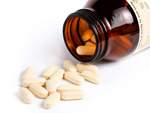
Bottle Prenatal Vitamins

Beware of marketing

Not to sound jaded but beware of marketed vitamins. If you have to be bombarded to buy, is it really that good? It also takes tons of money to market that way, which raises questions about their bottom line, their ethics toward their customers and the quality of their products. Centrum is the number one selling multivitamin, not because it works but because of its multi-billion dollar ad campaign.

Part of the huge ad campaign includes trumped up claims. Just last week Pfizer faced allegations of deceptive advertising on its Centrum vitamins from a consumer watchdog group. The nonprofit group, Center for Science in the Public Interest (CSPI) threatened to sue Pfizer over deceptive claims regarding "breast health," "heart health," "colon health," "bone health," and "energy and immunity." Watchdog groups such as CSPI have been taking the lead in policing health claims on supplements since the FDA doesnt do enough to help consumers in this area.

Just as with "real" food, "real" vitamins dont need to be marketed on t.v. during prime time. Products that work keep customers coming back and get increased sales through word of mouth.

Currently there is not a whole lot of regulation of supplements. This is a good thing in that the pharmaceutical companies are so big and have so much money that were legislation to make it through, their lobbyists would warp and restrict the supplement industry in a way that would be very bad for consumers, good health, and makers of true vitamins. The down side is that you as a consumer have to take the responsibility for educating yourself as to what you put in your body. Vote with your dollars, and keep good quality supplements on the market.

Sources for this article include:

http://www.reuters.com

http://www.naturalnews.com/021653.html

http://www.thedoctorwithin.com

http://www.foodkills.org/synthetics.html

http://medical-dictionary.thefreedictionary.com/Vitamins

Monday, September 9, 2013

0 Food Should be Avoided by Arthritis Patients

Food Should be Avoided by Arthritis Patients | your patients with rheumatoid arthritis? careful with your diet, there are many foods that can make your illness can be severe. In this article we will discuss about the foods that should be avoided for patients with rheumatoid arthritis.


Food Should be Avoided by Arthritis Patients


Avoid Foods for People with Arthritis. There are some foods that should be avoided by patients with rheumatic diseases. These foods are as follows.
  • Offal
  • Pinhead
  • Preserved fish, such as sardines
  • Salted fish
  • Smoked fish
  • Cured meats (ham, sausage)
  • Alcohol, preserved foods
  • Nuts
  • Asparagus
  • kale
  • Bamboo sprout
  • Meat
  • Goat
  • Emping melinjo

The above list is important for you to note, because sometimes we forget to consume foods that are to be avoided for people with rheumatic.
 

2012 i wanna free acne Health basic