Showing posts with label do. Show all posts

Sunday, May 4, 2014

0 Why Do People Have Sex

Your partner may come up with a dozen excuses to say "Not tonight, dear, I have a ____," but how many reasons can the two of you name for seeking sex?
One? Two? Twenty? How about 200? Some college students have cited as many as 237 different reasons for having sex.
From pleasure to procreation, insecurity to inquisitiveness -- todays reasons for taking a roll in the hay seem to vary as much as the terms for the deed itself. A 2010 Sexuality & Culture review of sex motivation studies states that people are offering "far more reasons for choosing to engage in sexual activity than in former times." And were doing it more often, too. It is a stark contrast from historical assumptions, which tend to cite only three sexual motivators: To make babies, to feel good, or because youre in love.
Today, sexual behaviors seem to have taken on many different psychological, social, cultural, even religious meanings. Yet, some sexologists say, at the most basic level, there is only one true reason people seek sex.

Wired for Sex

"We are programmed to do so. Asking why people have sex is akin to asking why we eat. Our brains are designed to motivate us toward that behavior," says Richard A. Carroll, PhD, a sex therapist and associate professor in the department of psychiatry and behavioral sciences at Northwestern University Feinberg School of Medicine.
The idea that humans are hard-wired for sex lects an evolutionary perspective, says Elaine Hatfield, PhD, professor of psychology at the University of Hawaii and author of that 2010 review examining sexual motives from cross-cultural, historical, and evolutionary viewpoints.
"Evolutionary theorists point out that a desire for sexual relations is wired in in order to promote species survival," she tells WebMD in an email. "Cultural theorists tend to focus on the cultural and personal reasons people have (or avoid) sex. Cultures differ markedly in what are considered to be appropriate reasons for having or avoiding sex."

Whats Your Motive?

Why do you seek sex? Motivations generally fall into four main categories, according to psychologists at UT-Austin, who asked more than 1,500 undergraduate college students about their sexual attitudes and experiences.
  • Physical reasons: Pleasure, stress relief, exercise, sexual curiosity, or attraction to a person.
  • Goal-based reasons: To make a baby, improve social status (for example, to become popular), or seek revenge.
  • Emotional reasons: Love, commitment, and gratitude.
  • Insecurity reasons: To boost self-esteem, keep a partner from seeking sex elsewhere, or because of a feeling of duty or pressure (for example, a partner insists on having sex).

The Difference Between the Sexes

Generally speaking, men seek sex because they like how it feels. Women, although they very well may also derive pleasure from the act, are generally more interested in the relationship enhancement aspects of sex. Researchers describe these differences as body-centered versus person-centered sex.
  • Body-centered sex is when you have sex because you like the way it makes your body feel. You are not really caring about the emotions of your partner.
  • Person-centered sex is when you have sex to connect with the other person. You care about the emotions involved and the relationship.

The Difference Between the Sexes continued...

"Men often start out being body centered," says Janell Carroll, PhD, adjunct professor of psychology at the University of Hartford and author of a human sexuality textbook (no relation to Richard Carroll). "But that changes later on. As men reach their 40s, 50s, and 60s, their relationship becomes more important."
Richard Carroll has been counseling couples with sexual issues for more than two decades. "Women actually become more like men over time, in the sense that often early on, sex is about initiating, developing, strengthening, and maintaining relationships, but in a long-term relationship they can actually begin to focus on the pleasure of it."
Despite the generalities, research suggests that there has been a big convergence in sexual attitudes among men and women in recent years. In 1985, Janell Carroll and colleagues found that most college-aged males had casual sex for physical reasons, without emotional attachments. She repeated many of the same study questions to a new audience in 2006, and is working toward publishing her results.
"Instead of men and women being at opposite ends of the sexual spectrum, they are now coming together," she tells WebMD. "More women might be having sex for physical reasons, but many more men were more likely to say they had sex for emotional reasons."

20 Reasons People Have Sex

Stressed out? Have sex. Stress reduction is one of the leading reasons Americans, particularly men, say they have sex, says Richard Caroll. The review, published online in Sexuality & Culture, shows other most frequently cited reasons for having sex include:
  • Boosting mood and relieving depression
  • Duty
  • Enhancement of power
  • Enhancement of self-concept
  • Experiencing the power of one’s partner
  • Feeling loved by your partner
  • Fostering jealousy
  • Improve reputation or social status
  • Making money
  • Making babies (procreation)
  • Need for affection
  • Nurturance
  • Partner novelty
  • Peer pressure or pressure from partner
  • Pleasure
  • Reduce sex drive
  • Revenge
  • Sexual curiosity
  • Showing love to your partner
  • Spiritual transcendence
 Why Study Sex?
Understanding why people seek sex is not always a simple task. Most studies have involved college undergraduates, a "sample of convenience" for university researchers, but one that is often very limiting. Such young men and women typically havent been in very committed relationships and are in the process of discovering their sexuality. Their answers to "why do you have sex" are often greatly tied to the image of themselves and their social relationships, says Richard Carroll. This can change over time.
But such knowledge can improve a couples sex life.

Wednesday, April 30, 2014

0 Do You Have Sitting Disease


Youre probably inactive for more of your day than you realize. Do you sit in your car while commuting to an eight-hour-a-day desk job, then unwind in front of the television all evening? Do you depend on email, direct-deposit paychecks, and online shopping to accomplish tasks that would have required you to run errands 10 or 20 years ago?
If so, then you may have "sitting disease." Thats the new buzzword for a sedentary lifestyle, which may put your health at risk.
Levines advice: Fight sitting disease by taking steps to become more physically active. But how do you actually do that when youre locked into a lot of sitting time at work and getting around town?

Beat Sitting Disease: 11 Simple Solutions

Its possible to drastically revamp your life to become more physically active – adding an expensive treadmill to your office or home, placing a new exercise bike in front of the television, hiring a personal trainer. But there are also simpler, less costly solutions.

  • Get NEAT. Levine recommends studding your day with nonexercise activity thermogenesis (NEAT), which includes stretching, turning, and bending. Aim for 10 minutes of NEAT each hour. "When I speak to the patient who is battling with [a sedentary lifestyle],I cant afford the gym is no longer a barrier," Levine says. "What Im asking you to do doesnt cost anything. You integrate activity into your day, whether pacing around on the telephone, not using email, or taking the kids for a walk in the mall." 

·                     Think beyond your workout. Even if you exercise at lunch, you may still be sitting too much. "Getting one hour of exercise in the middle of the day is obviously going to be better than not doing anything, but that still leaves approximately seven hours of predominantly sitting during the workday," David Dunstan, PhD, tells WebMD in an email. "We have to have a whole-day approach to physical activity promotion," says Dunstan, who heads the physical activity laboratory in the division of metabolism and obesity at Baker IDI Heart and Diabetes Institute in Melbourne, Australia. He led the study on TV time and the risk of dying from cardiovascular disease. 
  • Mix standing and sitting. Sitting constantly is unhealthy, but standing still for long stretches of time can cause problems, too, such as bad backs or sore feet. Its better to frequently shift between sitting and standing, Dunstan notes. 

  • Take regular breaks. "Most people know that if they dont exercise, theyll gain weight, but they arent motivated to become more active," says exercise physiologist Fabio Comana, spokesman for the American Council on Exercise in San Diego. Get yourself moving more often with small goals, he says. "Stretch out your entire body, all the muscles that are cramped. If you do it five or six times a day, youll start to notice a difference." 

  • Pretend its 1985. Have a question for your co-worker down the hall? Dont shoot him an e-mail; walk to his cubicle and ask him face to face. Some companies have instituted email-free Fridays to get employees out of their chairs more often, Levine says. 

  • Adopt new habits. Standing uses more muscles and burns more calories than sitting, so train yourself to stand whenever you talk on the telephone. Pace during staff meetings, if your boss will allow it. Ask friends to go for a walk during lunch instead of chatting in the break room. Use the stairs instead of the elevator.

  • Rearrange the office. Help your company encourage its employees to be more physically active without suggesting that they install treadmills at every workstation, Levine says. Start having walk-and-talk meetings with your co-workers, rather than conference room meetings. Move trash cans out of cubicles to make people walk to throw out garbage. Relocate water coolers by windows, where people will want to congregate. 

  • Embrace new technology. Telecommute from a park on a sunny day, or walk around outside while participating in a conference call. "Instead of tying people to their desks, technology is starting to release people from their desks," Levine says, noting the widespread use of text messaging, laptops, and cell phones with wireless Internet access. "The evolution of technology allows people to be far more mobile." 

  • End your workday with a bang, not a whimper. Prolonged sitting at work can tire you out, making you zone out as 5 p.m. approaches, Comana says. "But if you take a brisk, 15-minute walk in the afternoon, youll be far more productive in your last two hours. If youre worried that you dont have time for a walk, you may be surprised that you get your work done more quickly afterwards." 

  • Rethink your commute. Its dangerous to try to exercise while youre driving, but if you take a bus or train to work, you can stand, clench, and relax your muscles or get off a stop early and walk several blocks. If mass transit isnt an option, find a distant parking spot so you walk for a few minutes before and after work, Dunstan says. 

  • Watch more television. That is, if you vow to be active when you watch. "It is not our objective at all to discourage people from watching TV," Levine says. Pull your dust-covered treadmill out of retirement, place it in front of the television and only allow yourself to watch when youre walking. No exercise equipment? March in place or tidy the room while watching. Just dont be a couch potato:  Research shows that the longer you sit watching television, the greater your waist circumference, and the higher your risk is of dying from cardiovascular disease, Dunstan says.

Friday, April 18, 2014

0 Why Do Some Of Us Have Excessive Sweating Is Strong Antiperspirant An Answer To The Problem

What is hyperhidrosis?

Hyperhidrosis or excessive sweating is a condition wherein perspiration exceeds far too higher than the physiological requirement of body. It is a disorder affecting 5% population. When a person suffers from excessive sweating, it means he has hyperactive exocrine glands or sweat glands. Excessive sweating affects any part of the body; however, the most commonly affected areas include underarms, palms, soles, and face (axillary, plantar and facial).

hyperhidrosisAffects of excessive sweating on a person
Hyperactivity of the sweat glands is related to the nervous system and its the prime reason for excessive sweating. Its also an inherited problem and transferred from parents to offspring. Hyperhidrosis can have a huge influence on a person; the physiological consequences including skin infections. The psychological including straying from social circles due to embarrassments; clammy hands and soles that can dip confidence and morale.

Types of hyperhidrosis
It is of two types - primary hyperhidrosis and secondary hyperhidrosis. The former starts when a person attains puberty. It is affected due to his/her genetic predisposition but aggravated due to lifestyle changes such as eating certain foods, excess caffeine, anxiety, etc.

The secondary hyperhidrosis is due to man-made reasons such as wearing wrong clothing, tight clothing that do not allow body to breathe properly. According to studies, it is due to malfunction of sweat glands, disorders of pituitary, diabetes, gout, and in some cases during andropause and menopause, as well as drop in blood sugar levels.

Excessive sweating and antiperspirant therapy
Person with hyperhidrosis can be easily treated with the use of a strong antiperspirant that plugs the sweat ducts. There are medications to treat the condition as well and the medications work on reducing stimulation to the sweat glands and prevent excessive sweating.

Drinking excess water is the best way to keep body hydrated. Reducing intake of caffeine spicy foods is some other suggested ways to reduce excessive sweating. Then, there is endoscopic thoracic sympathectomy, which is the removal of sweat glands that can help ease excessive sweating.

But if you are not for surgery the best bet you have is going for antiperspirant therapy. While there are some anti-perspirants that are extremely good, some leave stain marks on the clothes. There are some that produce burning sensation upon application and some antiperspirants are not effective at all and some of them not affordable. Also there are some antiperspirants that pose serious side effects. So make sure you are buying an antiperspirant that works on ceasing excessive sweating and that is friendly to your skin.

SweatStop offers a range of strong antiperspirant products that start working in as soon as two weeks time and are effective treatment for excessive sweating than the otherwise complicated surgery. If you are interested to know how SweatStop antiperspirant therapy can shoot up your morale and self esteem please check our website http://www.antiperspirant.co.uk/

Authors Resource Box

SweatStop offers a range of strong antiperspirant products that start working in as soon as two weeks time and are effective treatment for excessive sweating than the otherwise complicated surgery. If you are interested to know how SweatStop antiperspirant therapy can shoot up your morale and self esteem please check our website http://www.antiperspirant.co.uk/

Article Source : Why Do Some Of Us Have Excessive Sweating? Is Strong Antiperspirant An Answer To The Problem?

Author : Andreow

Monday, March 31, 2014

0 The Centers for Medicare Medicaid Services CMS Gets Nudged to Do Something About Shared Decision Making SDM

Medicare tackles the shared decision
making requirement in the ACA
In a recent New England Journal of Medicine article, Emily Lee and Ezekiel Emanuel point out that its high time for the Centers for Medicare and Medicaid Services (CMS) to wake up and do something about Section 3506 of the Affordable Care Act.

Thats the section of the law that deals with "shared decision making" (SDM):

"The Secretary shall establish a program to provide for the phased-in development, implementation, and evaluation of shared decision making using patient decision aids to meet the objective of improving the understanding of patients of their medical treatment options...."

In particular, they argue that CMS should expedite the creation of an independent entity that would certify and implement patient decision aids and begin piloting SDM among Medicare beneficiaries who are contemplating having one of the 20 most frequently performed procedures (a list can be found on page 3).

And they dont stop there. 

They recommend that Medicares coverage for the "top 20" should be made contingent on the documented delivery of SDM to the beneficiary

"To give such a requirement teeth, full Medicare reimbursement could be made contingent on having documentation in the patients file of the proper use of a decision aid for these 20 procedures. Providers who did not document the shared-decision-making process could face a 10% reduction in Medicare payment for claims related to the procedure in year 1, with reductions gradually increasing to 20% over 10 years. This payment scheme is similar to that currently tied to hospital-readmissions metrics."

In contrast to the NEJM readership, the thousands of regular visitors to the Disease Management Care Blog arent surprised. Theyve known all along that "shared decision making was an important if unknown part of the Affordable Care Act.  To them its not news that SDM is an evidence based approach that combines patient engagement with physician participation to optimize the utilization of potentially harmful therapies.

Pity that CMS leadership isnt regularly reading the DMCB.  Whether a NEJM article by one of D.C. health care mandarins spurs CMS to action remains to be seen.

Stay tuned!

Tuesday, February 25, 2014

0 Ask the Internet Do You Return Bad Produce

“I dont return fruit. Fruit is a gamble. I know that going in.” – Seinfeld

Stepping away from all the Christmas joy for 47 seconds, I have a fruit and veggie question. Here it is, in fine Ask the Internet fashion:

Q: I buy bananas every week. Recently, I got a bad bunch. You couldn’t tell from the outside they were rotten, but once peeled, there was a line of black goo running down each piece of fruit. The whole bunch cost me less than $1.50, so it got chucked. Should I have returned it instead, or is that taking frugality a step too far? This isn’t the first time my local supermarket has sold less-than-spectacular produce, but I don’t want to be regarded as cheap.

A: Do you guys agree? Do you return bad produce? If so, what’s your limit? How do you feel about it?

FYI, if it was a meat, dairy, frozen, canned, or boxed product, I would probably have taken it back without hesitation. (See: If for nothing else than I don’t want other people to get poisoned.) But fruit and vegetables seem to be a special WYSIWYG case. Color me confused, but please – fire away in the comment section.

Want to ask the interweb a question? Post one in the comment section, or write to Cheaphealthygood@gmail.com. Then, tune in on Tuesdays for an answer/several answers from the good people of the World Wide Net.

Wednesday, December 11, 2013

0 Do We Give Our Children Too Many Vaccines

The Problem with multiple vaccines
There is growing concern among parents regarding the number of vaccines that children now receive. Children are required by government schools to have completed the required vaccines prior to enrolling in school. The list of required vaccines continues rising, along with the costs. The number of vaccines raises concerns about safety and reasons for the large numbers of vaccines.

To put the situation in perspective consider that about one hundred years ago, children received a single vaccine for smallpox. Over time, the number of vaccines increased to five, which was about forty five years ago. These five vaccines were for diphtheria, pertussis (whooping cough), tetanus, polio, and smallpox. In the past forty years the number doubles to where todays children receive 11 routine vaccines. Many of the vaccines are in the form of multiple shots.

Increasing costs of vaccines
In the early 1980s the cost to immunize a child with the required vaccines was $75 to $100. Not only has the number of vaccines doubled, the cost has more than doubled. Presently the cost of obtaining the recommended vaccines is about $1,250. Even accounting for inflation, the increase in cost is dramatic. The cost is about to become more for teenage girls. The vaccination that reportedly protects against cervical cancer costs about $360 for a three dose series, which raises the total for the vaccines to about $1600. Although the number of shots has been reduced, the combination shots make it difficult to trace down which shot children are experiencing a reaction to when there are side effects.

Number of Antigens Children are exposed to
Part of the reason for the increased costs is that many of these vaccinations are for multiple antigens. (An antigen is a compound which when introduced into your body stimulates your immune system to produce chemical substances called anti-bodies. These antibodies are instructed to either kill or neutralize any substance they consider a threat.)

The combination shots increase the cost of the vaccines. One of the reasons for the combo shots is an effort to reduce the number of physical injections the child receives. In terms of the number of chemicals injected into the developing bodies of children is amazing.. When a girl receives all doses of all the recommended vaccines, the number of antigens received is 156 in the form of 45 shots. Boys, on the other hand receive 144 vaccine antigens in about 42 injections.

Think about that for a moment. When you follow the vaccine schedule, you are introducing 144-156 alien chemicals into your childs developing body. Since they are vaccines, these chemicals are injected into the body and bypass the natural defenses of the body. You might consider it foolish to take your infant through 150 different chemical plants so that they could be exposed to those substances, yet when you follow the schedule, you are taking similar action. If your child is sensitive or allergic to many foreign chemicals, the introduction of this many chemicals in so short a time span is asking for trouble.

The government recommends many vaccinations. The required vaccinations include: hepatitis A and B; inactivated poliovirus (IPV); rotavirus; haemophilus influenzae Type B (Hib); measles, mumps, rubella (MMR); pneumococcal conjugate (PCV); varicella (chickenpox); influenza; and diphtheria, tetanus and acellular pertussis (DTaP). In addition, there is Tdap - tetanus diphtheria and acellular pertussis vaccine and meningitis vaccine (MCV4) for those entering high school.

Vaccine Reactions
Researches have documented reactions to the pertussis and chicken pox vaccines. The danger with the chicken pox is that many of those vaccinated develop shingles within 10 years of the vaccination.

Vaccination has been cited as one of the ten greatest public health achievements of the 20th century. However, it doesnt require an advanced degree in science to grasp that the public health accolades, celebrating high vaccination rates and low infection rates, have lead to serious health consequences across the globe. Among those consequences are biological reactions to vaccine ingredients. Vaccine ingredients seem to be playing a substantial role in some of todays health problems.

Sometimes it is the additives to the vaccines that create problems rather than the vaccines themselves. Gelatin, one of many ingredients often used has been documented to cause allergies and asthma. Vaccines known to contain gelatin include chickenpox, MMR, Boostrix (a pertussis booster for teens), Tripedia (DTaP) and Zostrix which is the vaccine used for adult shingles.

Formaldehyde is another dangerous additive. It is used to inactivate some of the bacteria in the vaccines. It has also been found to interrupt the normal function of the immune system. Although the CDC site downplays the exposure and danger of formaldehyde, the National Cancer Institute identifies it as known human carcinogen. Formaldehyde, besides being a preservative for lab specimens, can cause watery eyes, burning sensations in the eyes and throat, nausea, difficulty in breathing and asthma attacks. The chemical is categorized as a hazardous chemical on eight federal regulatory lists. With the current vaccine children receive more than ten times the recommended safe amounts. Vaccines containing formaldehyde include DTaP, polio, and influenza.

MSG is another common additive. MSG is added to stabilize the vaccines. MSG is often used as a flavor enhancer, yet in some populations, the substance agitates the neural system. MSG is considered by many to be an excitotoxin due to the way it agitates or excites the nervous system.

Egg proteins are also contained in some vaccines. Although government sites downplay the potential reaction, people who are allergic to egg proteins may react to these substances.

Another type of additive in many vaccines are adjuvats. These are chemical substances used to enhance the potency of the vaccine chemicals. The adjuvats amplify the effects of the vaccine. There are many types of chemicals used to increase the potency of vaccines. Variations of aluminum salts are often used in human based vaccines. At times, oil based adjuvats are included in vaccines. One of the controversial ones is squalene. Squalene triggers a strong auto-immune response to antibodies. Squalene is controversial in many circles. According to the CDC, no vaccines produced in the US contain squalene.

"There is no squalene in any FDA-approved vaccine in the US. There is no squalene in any kind of seasonal flu vaccine or in the H1N1 vaccine."-Patricia El-Hinnawy

This is in contradiction to the statements of vaccine manufacturers. One spokesmen at GlaxoSmithKline, claims that its vaccines do have squalene.

"A novel feature of the two H1N1 vaccines being developed by companies Novartis and GlaxoSmithKline is the addition of squalene-containing adjuvants to boost immunogenicity and dramatically reduce the amount of viral antigen needed. This translates to much faster production of desired vaccine quantities."-Meryl Nass, MD

With all the controversy, it behooves parents to consider the old Latin phrase, "Let the buyer beware". You will need to investigate matters yourself and find medical information you trust.

Follow the Money
The sales figures for preventative vaccines in 2007 amounted to $16.3 billion. This is an increase from the $11.7 billion generated in 2006. Since many vaccines are mandated by governments, the likelihood of the sales declining is low. The portion of these numbers that were for pediatric vaccines was $8 billion.

Jeff Murrah, LPC, FT, LCDC is a counselor with over 30+ years of experience in dealing with addictions and mental health issues, including reactions vaccine reactions. His experience has led to the writing of this and other articles on similar issues. He can be reached at http://www.RestoreTheFamily.com

Article by : Jeffrey Murrah, Source: http://EzineArticles.com/?expert=Jeffrey_Murrah

Sunday, November 10, 2013

0 Do not Drink Tea When Suhoor!!!

Do not Drink Tea When Suhoor!!!
Sipping hot tea in the morning is one habit that can not be separated from the Indonesian lifestyle. Moreover, if the tea is sweet.

This custom was still carried away while fasting. When breaking and dawn, drink this one could not be abandoned. But, good drinking tea in the anticipated time should be eliminated. Because, when drinking tea after the meal, the nutrients contained in those foods will be neutralized by tea.

Also, do not drink tea on an empty stomach because it can increase the production of stomach acid. Therefore, do not immediately drink tea when fasting.

Tea can actually backfire for Muslims fasting. Because, liquids such as tea and coffee has properties that contrasts with the white water. Instead of adding body fluids, they both turned draining.

Tea, coffee, and alcoholic drinks are included in the group of diuretics that it will reduce the body fluids. Not surprisingly, a lot of people who drink tea have complained of suffocation at dawn when at 7-8 in the morning. Therefore, it is not advisable to consume this drink during fasting

Basically, the loss of body fluids due to 1 cup of tea, to be replaced with 3 glasses of water in the same amount. That is why, it is suggested that we are to maintain the freshness of the body during fasting through the white water. Insert any liquid into the body it can not be good forever.

That is why it is advisable not to drink tea at dawn. Read also the danger of sleep after the meal may be useful ....

Wednesday, October 23, 2013

0 Do not Let Eye Worms dwell in Your Eyes

Worms not only reside in the human digestive tract. Because the eye is also one of the favorite places for worms for nesting. Hiii, do not let the worms residing in your eyes.

Generally worm larvae can enter the eye through the bloodstream to the eye and larvae can also enter through contact. With the worm in the eye can lead to blindness if left unchecked. Well, for you it is advisable to maintain cleanliness. One of them by living with a clean, avoid direct contact with dirty or contaminated materials

Types of worms commonly found in the eye is Loa loa who originally found in Africa, but now has reached Asia due to be carried by flies mangroves. These flies that spread the worm eggs human body through small cuts. When the parasite infects will arise Eye irritation, pain, and a swollen eyelid. Even if the worms die in the human body can lead to fatal consequences for polluting the blood.

Unfortunately, until now there is no specific vaccine for the Loa-loa filariasis. So, take care of personal and environmental hygiene to prevent the entry of worms into your eyes. Maybe this info can help you all.

Saturday, October 5, 2013

0 Do not Mix Energy Drinks and Alcohol

Do not Mix Energy Drinks and Alcohol
Do not Mix Energy Drinks and Alcohol - You are a fan of energy drinks? Do not mix energy drinks with high caffeine alcohol, because the mixture of the two is dangerous and makes people more drunk.

In a survey conducted on 800 students who just left the bar at 22:00 and 03:00, the researchers asked whether they consume alcohol and energy drinks. The concentration of the smell of alcohol the respondents were also measured.

Approximately 6.5 percent of respondents who admitted drinking alcohol mixed with energy drinks are three times more drunk than those who only drank alcoholic beverages only.

Mixing energy drinks with alcohol young children do in America. This they do because caffeine can reduce the drowsiness caused by alcohol. This condition is often termed as "drunk but conscious."

Bruce Goldberger, Director of Toxicology at the University of Florida College of Medicine, said many people mistake the stimulant effects of caffeine will eliminate the depressant effect of alcohol. "That is a false perception. The result is dangerous because it makes people more drunk," he said.

Wednesday, October 2, 2013

0 5 Things to Do to Maintain Your Dental Hygiene

Inadequate dental hygiene can cause numerous problems not only to your mouth but throughout your body. Most people consider regular dental checkups to be something you do when you’re younger.

However, as you age your body tends to breakdown and this also includes your teeth so keeping consistent with your dental hygienist is important at any age. Of course this doesn’t mean you can slack on your regular practice of caring for your teeth. In fact, I’ve read quite often that you should brush and floss daily. Quite honestly, that leads me to believe once a day is enough. Quite frankly, it isn’t. You are required to eat three meals on a daily basis.
Generally, it’s taught that people should brush after meals. Therefore, brushing three times a day would be more appropriate. Flossing is important because most often, brushing doesn’t get all the particles from between your teeth. Food left behind turns into bacteria quickly. This bacterium sets the stage for a majority of problems with your teeth. Flossing will prevent this from happening.
Rinsing also helps in killing bacteria not to mention, makes your breath smell fresh and clean. For those who are generally found within groups, the company you keep will be grateful. Regular routine cleanings by your hygienist are also crucial because no matter how hard you try there is likely to be little microscopic nuisances lying around in your mouth. It is also important for us to understand the effect our nutritional habits has on our teeth.
Poor diet can lead to significant dental problems especially in adolescents because of their tendency to indulge in foods with high sugar content. Soda, is especially damaging. Eating foods which are high in vitamin and mineral content will help your defense against potential dental difficulties. Keeping your dentist informed is also very important. People tend to overlook telling their dentist about clicking, locking, or grinding in relation to their teeth or jaw.
Grinding your teeth can be very damaging and possible cause them to crack or break. The problem is, some people tend to do this in their sleep and don’t realize it. So discussing with your dentist symptoms such as soreness and pain can be significant in diagnosing the problem and getting treatment. Maintaining your dental hygiene does take effort but it’s far more difficult to restrict your smile.
The article has been submitted Anonymously to MedsAvailable

Wednesday, September 25, 2013

0 Do Not Wait Until After Your Tummy Tuck To Get In Shape

One of the biggest challenges that many people face when they are trying to get in shape is keeping the weight off once they have lost it. As hard as you may have worked just to get your body down to an acceptable weight and size, you may still have trouble with a certain stubborn zone around your abdomen. Instead of berating yourself and starving yourself into oblivion, there is a way you can get rid of that extra fat. You can always get a tummy tuck.

Of course, this doesnt mean that you need to stop what you are doing and resort to old habits. Part of what increases the success of the procedure is the patients ability to exercise and consume a healthy and nutritional diet. Keep in mind that many dieting and exercise staples dont guarantee the same results that you may see another person with. In order to improve your chances, you may want to see a personal dietitian and personal trainer so they can help put together a plan that will help to keep you in shape.

It is much easier for you to start a healthy routine now, before your tummy tuck than it is afterwards. It takes several weeks to start a habit, and it also takes several weeks for your body to get in tune with any changes to your normal routines and diets. Instead of waiting until after you have had your tummy tuck, you need to start making those changes before. You will find it much easier to stick with those changes because they will already be ingrained in you.

Your attentiveness to your health before your actual tummy tuck procedure will play a big factor in how well you recover. People who have the fastest recovery times are those who dont indulge in alcohol, nicotine and other substances that can interfere with the bodys natural ability to heal. They are also the same people who are already very active before their operations.

By being more active and maintaining a healthier lifestyle, you can keep the excess weight and fat away. You will have more energy to do things. You will have a better body image and a better sense of pride. Instead of you being embarrassed or ashamed about your figure, you will look and feel as if you are the best looking person in the room.

Talk to your surgeon about how you can improve your health and your candidacy for the tummy tuck. Although it is an ideal surgery for most people, there are also some restrictions. Learn what is actually involved in the procedure and what you can do to improve your outcome and recovery time. Once you have taken the time to learn how you can benefit from this procedure, you should have no problem doing what is necessary to help you maintain your results afterwards. You can get a brand new lease on life.

If you are seeking a tummy tuck in syracuse, look no further than the trusted professionals that locals trust to treat their bodies with care and precision. Visit http://www.drderoberts.com today to schedule a consultation and learn more.

By : A Aaronson
Article Source : Do Not Wait Until After Your Tummy Tuck To Get In Shape

Monday, September 23, 2013

0 What An Allergy Specialist Can Do For You

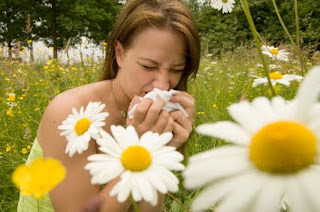
AllergySneezing itching, redness, and puffiness are all common allergy symptoms in individuals. These symptoms as well as others are all signs of allergies. People can be allergic to anything from foods, to plants, to insects to chemicals among other things. Sometimes reactions can be so bad that it is hard to enjoy your daily life. Not everyone has their reactions under control. But today you will learn how an allergy specialist can diagnose and discover the right treatments for each individual. Nobody should have to suffer in misery when there are solutions available. No matter how severe a reaction is, it can be avoided by having the proper treatment.

An allergic reaction is basically an unusual response from the immune system to a regular substance. When an individual comes into contact with certain elements, their body responds by discharging chemicals that cause an allergic reaction. Some allergies are more serious than others. It just depends on the person and their particular allergens. People develop certain antibodies, or proteins, against some elements. When allergens are exposed to these proteins, this is when symptoms are triggered. This could be anything from itchy watery eyes, scratchy throat or whatever the symptom.

You may not have known that such a thing as an allergy specialist even existed. There is a great need for those who treat patients with allergic issues. Reactions range from many things such as sneezing to swelling. Most people learn exactly what they are allergic to. As a result they may spend tons of money on over the counter medicines to try and help the problems they have. And sometimes these medicines are found ineffective. But believe it or not there is a treatment out there that can help each persons individual issues. This can only be discovered by the help of a professional.

Sometimes patients make appointments with their primary care physicians to try and get solutions for these allergic reactions. But oftentimes these doctors cannot solve the problems. They are unsure of the causes. This is when the patient should consult an allergy specialist. All it takes is a simple appointment. Some examples of allergies are really quite obvious. For instance there are millions of people who get sneezing and runny noses when pollen becomes thick. Others are allergic to certain foods. There are people who break out or may experience swelling of the tongue or throat after having seafood. Others experience swelling and discomfort after insect stings or bites. These are all scenarios you may have heard of or either experienced yourself! They are actually quite common. But the right professional can help you to discover how to not have these issues at all. There are medications that are guaranteed to combat reactions by protecting the body.

You may live in an area where there are allergens, or triggers, all around you. This doesnt have to stop you from living your life. You may have reactions to your own pets! Count on an allergy specialist to figure out how you can get some relief in your own home, or wherever it may be thats causing the issue. Help is available!

A Fairfield OH allergy specialist can help if you are having trouble living you ife due to reactions. Take a look here: http://www.drchaitent.com.

By A Aaronson

Article source : What An Allergy Specialist Can Do For You

Saturday, June 1, 2013

0 4 Things to do before breast augmentation surgery


Breast augmentation surgery involves changing and improving one or both breasts. Like all surgical procedures, preparations must be made before the patient can have the operation. After consultation with a plastic surgeon, there are some steps that a patient may have to take before surgery. Some are rules to follow or involve temporary changes, while others are permanent. They are intended to help the patient to have the best possible outcome of the procedure from a medical standpoint. Depending on the type Alter Medication augmentation done, some patients are given an anesthetic general, while others receive a local anesthetic. IV sedation is also an option. In order to operate safely and effectively, certain requirements must be met first. The plastic surgeon will review the types of medications the patient. The person may be asked to stop taking certain types of prescription drugs in advance to avoid interacting with the anesthetic, the operation itself or the healing process. Blood pressure medications, psychiatric and pain, among others, may have an adverse effect. When stopped or altered early, there is less risk of harm to the patient or the success of breast enhancement surgery. Stop Smoking Smoking snuff has several physical effects on people. One is that smoking reduces the supply of oxygen in the blood. These surgical procedures are subject to the risk of pulmonary complications if smoking within several weeks after surgery. There is also an increased chance of infection. Another complication facing smokers about surgery is that the scars do not heal as well. Still redder and more visible. Diagnostic mammograms test should be done before surgery can be performed. Although this can cause breast pain, helps plan the teams plastic surgeon the procedure. This will serve as a diagnostic tool for the surgeon. A mammogram beforehand benchmark is to judge surgical settings and physical changes that may occur after breast augmentation is complete. Another likely will be done a few months down the road, for comparison purposes. Lose Weight Some patients who are overweight or obese may be directed by your doctor to lose weight before surgery. There are certain health risks involved in operating in people who are overweight. The weight loss not only makes the healthy patient, but also reduces the risk of complications during and after surgery. Author writes about a variety of topics.
 

2012 i wanna free acne Health basic