Showing posts with label have. Show all posts

Sunday, May 4, 2014

0 Why Do People Have Sex

Your partner may come up with a dozen excuses to say "Not tonight, dear, I have a ____," but how many reasons can the two of you name for seeking sex?
One? Two? Twenty? How about 200? Some college students have cited as many as 237 different reasons for having sex.
From pleasure to procreation, insecurity to inquisitiveness -- todays reasons for taking a roll in the hay seem to vary as much as the terms for the deed itself. A 2010 Sexuality & Culture review of sex motivation studies states that people are offering "far more reasons for choosing to engage in sexual activity than in former times." And were doing it more often, too. It is a stark contrast from historical assumptions, which tend to cite only three sexual motivators: To make babies, to feel good, or because youre in love.
Today, sexual behaviors seem to have taken on many different psychological, social, cultural, even religious meanings. Yet, some sexologists say, at the most basic level, there is only one true reason people seek sex.

Wired for Sex

"We are programmed to do so. Asking why people have sex is akin to asking why we eat. Our brains are designed to motivate us toward that behavior," says Richard A. Carroll, PhD, a sex therapist and associate professor in the department of psychiatry and behavioral sciences at Northwestern University Feinberg School of Medicine.
The idea that humans are hard-wired for sex lects an evolutionary perspective, says Elaine Hatfield, PhD, professor of psychology at the University of Hawaii and author of that 2010 review examining sexual motives from cross-cultural, historical, and evolutionary viewpoints.
"Evolutionary theorists point out that a desire for sexual relations is wired in in order to promote species survival," she tells WebMD in an email. "Cultural theorists tend to focus on the cultural and personal reasons people have (or avoid) sex. Cultures differ markedly in what are considered to be appropriate reasons for having or avoiding sex."

Whats Your Motive?

Why do you seek sex? Motivations generally fall into four main categories, according to psychologists at UT-Austin, who asked more than 1,500 undergraduate college students about their sexual attitudes and experiences.
  • Physical reasons: Pleasure, stress relief, exercise, sexual curiosity, or attraction to a person.
  • Goal-based reasons: To make a baby, improve social status (for example, to become popular), or seek revenge.
  • Emotional reasons: Love, commitment, and gratitude.
  • Insecurity reasons: To boost self-esteem, keep a partner from seeking sex elsewhere, or because of a feeling of duty or pressure (for example, a partner insists on having sex).

The Difference Between the Sexes

Generally speaking, men seek sex because they like how it feels. Women, although they very well may also derive pleasure from the act, are generally more interested in the relationship enhancement aspects of sex. Researchers describe these differences as body-centered versus person-centered sex.
  • Body-centered sex is when you have sex because you like the way it makes your body feel. You are not really caring about the emotions of your partner.
  • Person-centered sex is when you have sex to connect with the other person. You care about the emotions involved and the relationship.

The Difference Between the Sexes continued...

"Men often start out being body centered," says Janell Carroll, PhD, adjunct professor of psychology at the University of Hartford and author of a human sexuality textbook (no relation to Richard Carroll). "But that changes later on. As men reach their 40s, 50s, and 60s, their relationship becomes more important."
Richard Carroll has been counseling couples with sexual issues for more than two decades. "Women actually become more like men over time, in the sense that often early on, sex is about initiating, developing, strengthening, and maintaining relationships, but in a long-term relationship they can actually begin to focus on the pleasure of it."
Despite the generalities, research suggests that there has been a big convergence in sexual attitudes among men and women in recent years. In 1985, Janell Carroll and colleagues found that most college-aged males had casual sex for physical reasons, without emotional attachments. She repeated many of the same study questions to a new audience in 2006, and is working toward publishing her results.
"Instead of men and women being at opposite ends of the sexual spectrum, they are now coming together," she tells WebMD. "More women might be having sex for physical reasons, but many more men were more likely to say they had sex for emotional reasons."

20 Reasons People Have Sex

Stressed out? Have sex. Stress reduction is one of the leading reasons Americans, particularly men, say they have sex, says Richard Caroll. The review, published online in Sexuality & Culture, shows other most frequently cited reasons for having sex include:
  • Boosting mood and relieving depression
  • Duty
  • Enhancement of power
  • Enhancement of self-concept
  • Experiencing the power of one’s partner
  • Feeling loved by your partner
  • Fostering jealousy
  • Improve reputation or social status
  • Making money
  • Making babies (procreation)
  • Need for affection
  • Nurturance
  • Partner novelty
  • Peer pressure or pressure from partner
  • Pleasure
  • Reduce sex drive
  • Revenge
  • Sexual curiosity
  • Showing love to your partner
  • Spiritual transcendence
 Why Study Sex?
Understanding why people seek sex is not always a simple task. Most studies have involved college undergraduates, a "sample of convenience" for university researchers, but one that is often very limiting. Such young men and women typically havent been in very committed relationships and are in the process of discovering their sexuality. Their answers to "why do you have sex" are often greatly tied to the image of themselves and their social relationships, says Richard Carroll. This can change over time.
But such knowledge can improve a couples sex life.

Wednesday, April 30, 2014

0 Do You Have Sitting Disease


Youre probably inactive for more of your day than you realize. Do you sit in your car while commuting to an eight-hour-a-day desk job, then unwind in front of the television all evening? Do you depend on email, direct-deposit paychecks, and online shopping to accomplish tasks that would have required you to run errands 10 or 20 years ago?
If so, then you may have "sitting disease." Thats the new buzzword for a sedentary lifestyle, which may put your health at risk.
Levines advice: Fight sitting disease by taking steps to become more physically active. But how do you actually do that when youre locked into a lot of sitting time at work and getting around town?

Beat Sitting Disease: 11 Simple Solutions

Its possible to drastically revamp your life to become more physically active – adding an expensive treadmill to your office or home, placing a new exercise bike in front of the television, hiring a personal trainer. But there are also simpler, less costly solutions.

  • Get NEAT. Levine recommends studding your day with nonexercise activity thermogenesis (NEAT), which includes stretching, turning, and bending. Aim for 10 minutes of NEAT each hour. "When I speak to the patient who is battling with [a sedentary lifestyle],I cant afford the gym is no longer a barrier," Levine says. "What Im asking you to do doesnt cost anything. You integrate activity into your day, whether pacing around on the telephone, not using email, or taking the kids for a walk in the mall." 

·                     Think beyond your workout. Even if you exercise at lunch, you may still be sitting too much. "Getting one hour of exercise in the middle of the day is obviously going to be better than not doing anything, but that still leaves approximately seven hours of predominantly sitting during the workday," David Dunstan, PhD, tells WebMD in an email. "We have to have a whole-day approach to physical activity promotion," says Dunstan, who heads the physical activity laboratory in the division of metabolism and obesity at Baker IDI Heart and Diabetes Institute in Melbourne, Australia. He led the study on TV time and the risk of dying from cardiovascular disease. 
  • Mix standing and sitting. Sitting constantly is unhealthy, but standing still for long stretches of time can cause problems, too, such as bad backs or sore feet. Its better to frequently shift between sitting and standing, Dunstan notes. 

  • Take regular breaks. "Most people know that if they dont exercise, theyll gain weight, but they arent motivated to become more active," says exercise physiologist Fabio Comana, spokesman for the American Council on Exercise in San Diego. Get yourself moving more often with small goals, he says. "Stretch out your entire body, all the muscles that are cramped. If you do it five or six times a day, youll start to notice a difference." 

  • Pretend its 1985. Have a question for your co-worker down the hall? Dont shoot him an e-mail; walk to his cubicle and ask him face to face. Some companies have instituted email-free Fridays to get employees out of their chairs more often, Levine says. 

  • Adopt new habits. Standing uses more muscles and burns more calories than sitting, so train yourself to stand whenever you talk on the telephone. Pace during staff meetings, if your boss will allow it. Ask friends to go for a walk during lunch instead of chatting in the break room. Use the stairs instead of the elevator.

  • Rearrange the office. Help your company encourage its employees to be more physically active without suggesting that they install treadmills at every workstation, Levine says. Start having walk-and-talk meetings with your co-workers, rather than conference room meetings. Move trash cans out of cubicles to make people walk to throw out garbage. Relocate water coolers by windows, where people will want to congregate. 

  • Embrace new technology. Telecommute from a park on a sunny day, or walk around outside while participating in a conference call. "Instead of tying people to their desks, technology is starting to release people from their desks," Levine says, noting the widespread use of text messaging, laptops, and cell phones with wireless Internet access. "The evolution of technology allows people to be far more mobile." 

  • End your workday with a bang, not a whimper. Prolonged sitting at work can tire you out, making you zone out as 5 p.m. approaches, Comana says. "But if you take a brisk, 15-minute walk in the afternoon, youll be far more productive in your last two hours. If youre worried that you dont have time for a walk, you may be surprised that you get your work done more quickly afterwards." 

  • Rethink your commute. Its dangerous to try to exercise while youre driving, but if you take a bus or train to work, you can stand, clench, and relax your muscles or get off a stop early and walk several blocks. If mass transit isnt an option, find a distant parking spot so you walk for a few minutes before and after work, Dunstan says. 

  • Watch more television. That is, if you vow to be active when you watch. "It is not our objective at all to discourage people from watching TV," Levine says. Pull your dust-covered treadmill out of retirement, place it in front of the television and only allow yourself to watch when youre walking. No exercise equipment? March in place or tidy the room while watching. Just dont be a couch potato:  Research shows that the longer you sit watching television, the greater your waist circumference, and the higher your risk is of dying from cardiovascular disease, Dunstan says.

Friday, April 18, 2014

0 Why Do Some Of Us Have Excessive Sweating Is Strong Antiperspirant An Answer To The Problem

What is hyperhidrosis?

Hyperhidrosis or excessive sweating is a condition wherein perspiration exceeds far too higher than the physiological requirement of body. It is a disorder affecting 5% population. When a person suffers from excessive sweating, it means he has hyperactive exocrine glands or sweat glands. Excessive sweating affects any part of the body; however, the most commonly affected areas include underarms, palms, soles, and face (axillary, plantar and facial).

hyperhidrosisAffects of excessive sweating on a person
Hyperactivity of the sweat glands is related to the nervous system and its the prime reason for excessive sweating. Its also an inherited problem and transferred from parents to offspring. Hyperhidrosis can have a huge influence on a person; the physiological consequences including skin infections. The psychological including straying from social circles due to embarrassments; clammy hands and soles that can dip confidence and morale.

Types of hyperhidrosis
It is of two types - primary hyperhidrosis and secondary hyperhidrosis. The former starts when a person attains puberty. It is affected due to his/her genetic predisposition but aggravated due to lifestyle changes such as eating certain foods, excess caffeine, anxiety, etc.

The secondary hyperhidrosis is due to man-made reasons such as wearing wrong clothing, tight clothing that do not allow body to breathe properly. According to studies, it is due to malfunction of sweat glands, disorders of pituitary, diabetes, gout, and in some cases during andropause and menopause, as well as drop in blood sugar levels.

Excessive sweating and antiperspirant therapy
Person with hyperhidrosis can be easily treated with the use of a strong antiperspirant that plugs the sweat ducts. There are medications to treat the condition as well and the medications work on reducing stimulation to the sweat glands and prevent excessive sweating.

Drinking excess water is the best way to keep body hydrated. Reducing intake of caffeine spicy foods is some other suggested ways to reduce excessive sweating. Then, there is endoscopic thoracic sympathectomy, which is the removal of sweat glands that can help ease excessive sweating.

But if you are not for surgery the best bet you have is going for antiperspirant therapy. While there are some anti-perspirants that are extremely good, some leave stain marks on the clothes. There are some that produce burning sensation upon application and some antiperspirants are not effective at all and some of them not affordable. Also there are some antiperspirants that pose serious side effects. So make sure you are buying an antiperspirant that works on ceasing excessive sweating and that is friendly to your skin.

SweatStop offers a range of strong antiperspirant products that start working in as soon as two weeks time and are effective treatment for excessive sweating than the otherwise complicated surgery. If you are interested to know how SweatStop antiperspirant therapy can shoot up your morale and self esteem please check our website http://www.antiperspirant.co.uk/

Authors Resource Box

SweatStop offers a range of strong antiperspirant products that start working in as soon as two weeks time and are effective treatment for excessive sweating than the otherwise complicated surgery. If you are interested to know how SweatStop antiperspirant therapy can shoot up your morale and self esteem please check our website http://www.antiperspirant.co.uk/

Article Source : Why Do Some Of Us Have Excessive Sweating? Is Strong Antiperspirant An Answer To The Problem?

Author : Andreow

Tuesday, January 28, 2014

0 Pregnant Women Have Ability to Determine Time of Birth

Pregnant Women | New Haven, Connecticut, For children born on a nice date or certain days that are considered good, pregnant women usually opt for caesarean. But according to research, most expectant mothers have the ability to delay or accelerate the normal birth.

The ability to control the time of birth as shown by the data on mothers giving birth in the United States. Although without the aid of a cesarean section, birth rates on certain dates that are considered either likely to remain elevated.

Research conducted by scientists from Yale University revealed, the number of vaginal birth on Valentines Day (February 14) increased 3.6 percent from an average weekday. Conversely on Halloween Day (October 31), the number of normal births fell 5.3 percent.

During this time, vaginal birth is considered as a process that is spontaneous and can not be planned, so if you want his son was born on a certain date then the solution is a cesarean section. However, these data suggest that vaginal birth is not really spontaneous.

"It seems that pregnant women can accelerate or delay the spontaneous birth, with a very limited time span of course, in response to cultural representation,"

For comparison, the increase in births by caesarean section rate is always increasing, on Valentines Day rose 12.1 percent. Similarly, on Halloween Day, the number of births by caesarean section are also down about 16.9 percent.

The study, published in the Journal of Social Science and Medicine, conducted through long-term observation for 11 years. Number of birth certificates that were observed in this study quite a lot, approximately 1.8 mill

Sunday, December 22, 2013

0 Should Patients in Population Health Management Programs Have Access to Lay Care Coaches

Based on prior posts like this, the Disease Management Care Blog thinks the answer is yes. 
That being said, this hot-off-the-presses research paper shows just much we need to learn about this emerging approach to the care of persons with chronic conditions like diabetes, high blood pressure and chronic heart failure.

Lay Persons Educating Persons With Chronic Conditions in Primary Care Clinics

The paper was just published in the Annals of Internal Medicine. It was a one year randomized study involving the patients at six Allina Health primary care clinics. 

Twelve lay "care guides" had at least 2 years of college education and "strong interpersonal skills." They received two weeks of education that included setting goals, identifying and overcoming care barriers, behavior change techniques, the limits of scope of practice and how to use the electronic records to message physicians.  It was up to the care guides and the patients to decide on how often they needed to meet in face or by telephone. The guides were supervised by two RNs.

Active (i.e. seen in the clinics within 6 months) patients who agreed to be in the study with high blood pressure, diabetes or heart failure were allocated in a 2:1 ratio to either a "care guide" or usual care. Goals were proscribed and were the usual HEDIS-style outcomes, such as achieving blood pressure control, reaching an A1c level, getting an echocardiogram, being on beta-blocker medications or getting a pneumovax immunization.
 
The study was not "blinded," in that they and their providers were aware of the assignment. Recruitment began in July of 2010 and the study was completed in April of 2012. 6168 patients were screened, 2135 patients agreed to participate and 1423 and 702 completed the study from the care guide and usual care study arms.

Results?

One year later, 82.6% of the care guide patients achieved their selected care goals vs. 79.1% of the usual care patients. That 3.5% increase was statistically significant.

Most of that improvement was accounted by a higher rates of tobacco cessation, pneumovax immunization, getting persons with diabetes to get an eye exam as well as urine protein testing, and getting persons with heart failure to go through an echocardiogram.  There were no statistically significant impacts on blood pressure control, diabetes control, cholesterol control or medication prescribing.

The care guides interacted with their patients on average 7 times (2 face-to-face and 5 by telephone).  They messaged physicians an average of 4 times.  There was no difference between the two groups in primary care office visits. Estimated cost was $286 per patient per year.

The Disease Management Care Blogs take:

There is increasing interest in incorporating lay-persons in the outpatient care of persons with chronic conditions.  That makes sense, because much of the educational "payload" may be deliverable using far cheaper and more engaging "peer" members of the community who - literally - speak the patients language.  This is a nicely done randomized clinical trial done in a real world setting that adds to our understanding of this care option. The bottom line is that this study showed that the care guides had a real impact.

When the DMCB looks at the actual numbers, it is also clear that the study had an uphill climb.  Many of the baseline measures of blood pressure, diabetes and heart failure quality relatively high to begin with. The impact of the care guides may have been much greater in a population with a lower baseline (such as in this study) with more "room" to move.

Problems to think about for the next study.....

Not all outcomes are created equally: Unfortunately, this study was something of a disappointment because the improvements were spotty, relatively small and limited to lightweight "testing" outcomes vs. more -hard-to-achieve disease control outcomes.  It may one thing for a peer patient to talk a patient into a urine test or a heart scan, its another getting a patient to take more pills.  That may take a professional educator, a pharmacist or nurse.

What do the patients want: In addition, the goals were based on a one-size-fits-all HEDIS approach.  They were not adaptable, negotiable or subject to shared decision-making.  If that had been in the mix, patient engagement may have been an additional ingredient that could have pushed other outcome measures toward statistical significance.

What do the docs think: The DMCB notes that provider office visits did not go down among the care guide patients compared to the usual care patients. This makes the DMCB wonder if there wasnt enough physician buy-in: if there had been higher trust in the care guides ability to manage these patients, it would have been reflected in less need to see the patients for a separate appointment.

Predictive modeling to the rescue: Finally, there is the problem of treating all chronic illness patients the same. Not all patients with high blood pressure, diabetes or heart failure are as susceptible to behavior change, and not all patients who engage in behavior change achieve better outcomes.  The trick is to use risk stratification to find the patients with the greatest chance at benefit.  This study may have benefited from a more focused approach.

Thursday, December 12, 2013

0 You Have Options When It Comes To Teeth Whitening

Who doesnt want a bright smile? Unfortunately as we age, things we eat and drink or the results of bad habits, such as smoking, discolor your teeth and now there are products that can be bought to help clean those stains so that they can be white once again. Though most people are happy with the appearance and feel of their teeth after they leave the dentist following their regular checkup and cleaning, some prefer to go above and beyond for clean teeth and desire products to help with teeth whitening. Before you choose a product, you should do your homework on the different products on the market.

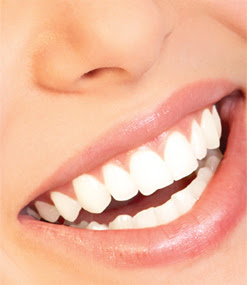
teeth whiteningThe first step you should take in the research process is to consult your dentist at your regular check-up. He will know what procedure or product will be right for you because not every whitener is the same. If you have fillings or bonding in the front portion of your mouth, you may want to consider other options to whiten your teeth because they will not bleach well resulting in those areas sticking out in your newly whitened mouth.
If your dentist determines that you are a good candidate for the cleaning procedure, you will have several options. One of these is to have the them bleached in your dentists office. This can usually be accomplished in one visit where the dentist will apply a gel to your gums for protection from the bleach. He will then use special lights or lasers to help speed up the process. You could also bleach them at home with whiteners that contain peroxide. These are usually purchased in gel form to be used according to manufacturers directions. You could experience some sensitivity and irritation in the gums after using this product and could take several applications. Finally, you could use a whitening toothpaste and work on the process each time you brush your teeth. This toothpaste has special ingredients that aid in the teeth whitening process and help remove stains. They dont change your tooth color because they only work on the surface stains. Like bleach that you use at home, this will take several applications.

Bleaching does work in most situations, so make sure that you have consulted with your dentist before trying it at home. Then, when you are looking for the best teeth whitening system for your personal use, make sure that it is approved by the American Dental Association. That way you know that it has been tested and proven to be safe and effective.

A Scottsdale teeth whitening specialist can help if you want a better smile. Take a look here: http://www.scottsdaledentalcare.net.

By : Anna Woodward
Article Source : You Have Options When It Comes To Teeth Whitening

Saturday, September 28, 2013

0 Simple Ways to Have Good Mood

Good MoodOften felt listless and sleepy in the office? If yes, what you usually do? Is going to the pantry to make a cup of hot coffee? Or you choose a short walk out of the office to seek another environment?

Maybe for the short term, this solution looks quite effective.

For long-term outcomes of the most important is to fix some of our habits in the mornings and evenings. Here are 4 tip:

- Every day wakes up at the same hour.
Barry Krakow, MD, medical director at Maimonides Sleep Arts and Sciences Ld, in Albuquerque, states have the same waking hours every day will automatically train the bodys circadian system. When the system is already good, then our sleep patterns will not be disturbed by any problems. And that means we will avoid sleep problems or insomnia.

- Perform sexual activity on the bed.
Assistant professor at the University of Maryland School of Medicine, Avelino Vetceles, MD confirms the main function of the bed is for sleeping and sex. If both functions can be run properly, we will open your eyes, feeling fit and eager to work.

- Eating on time.
Not only hours of sleep, a good working mood can also be realized by having a regular eating schedule. Get used to eating breakfast and lunch on time. Do not let our bodies less petrol. For lack of power will make us feel sleepy in the daytime. For dinner, it is recommended to do 3 hours before bedtime.

- Do not force the body to rest when tired.
After a day packed with a myriad of jobs, usually what we want is to go home and lay down the body into the bed. Many who thought fatigue would be able to take us to dreamland faster. But that assumption is wrong, usually people who will actually be difficult to sleep exhausted and sleepy, clear Krakow. So, step better is to make us calm and relax your body first. At the time of sleep did come, let our bodies sleep by a dream.

Article Source : Simple Ways to Have Good Mood
 

2012 i wanna free acne Health basic