Showing posts with label nutrition. Show all posts

Monday, February 3, 2014

0 ADA Position Statement On Nutrition Therapy For Diabetes Carbohydrate

The American Diabetes Association (ADA) recently published their new Position Statement on nutrition therapy for people with diabetes:

Nutrition Therapy Recommendations for the Management of Adults With Diabetes, Diabetes Care, Published online ahead of print, 9 October 2013.

This post focuses on carbohydrate, specifically amount. Subsequent posts will address fat, protein, and other dietary considerations.

The Statement used a grading system to rate the evidence, evidence which formed the basis for their recommendations. A description of that grading system can be found in Table 1 of their Statement on medical care:

ADA Position Statement, Standards of Medical Care in Diabetes - 2013, Diabetes Care, January 2013

For convenience, Im including it here:

Table 1. ADA Evidence Grading System For Clinical Practice Recommendations (Grade, followed by description):

A
  • Clear evidence from well-conducted, generalizable RCTs that are adequately powered, including:
    • Evidence from a well-conducted multicenter trial
    • Evidence from a meta-analysis that incorporated quality ratings in the analysis
  • Compelling nonexperimental evidence, i.e., “all or none” rule developed by the Centre for Evidence-Based Medicine at the University of Oxford
  • Supportive evidence from well-conducted RCTs that are adequately powered, including:
    • Evidence from a well-conducted trial at one or more institutions
    • Evidence from a meta-analysis that incorporated quality ratings in the analysis
B
  • Supportive evidence from well-conducted cohort studies
    • Evidence from a well-conducted prospective cohort study or registry
    • Evidence from a well-conducted meta-analysis of cohort studies
  • Supportive evidence from a well-conducted case-control study
C
  • Supportive evidence from poorly controlled or uncontrolled studies
    • Evidence from randomized clinical trials with one or more major or three or more minor methodological flaws that could invalidate the results
    • Evidence from observational studies with high potential for bias (such as case series with comparison with historical controls)
    • Evidence from case series or case reports
  • Conflicting evidence with the weight of evidence supporting the recommendation
E
  • Expert consensus or clinical experience
________

Regarding carbohydrates, the panel gave these recommendations:
The amount of carbohydrates and available insulin may be the most important factor influencing glycemic response after eating and should be considered when developing the eating plan. Grade A

Monitoring carbohydrate intake, whether by carbohydrate counting or experience-based estimation remains a key strategy in achieving glycemic control. Grade B

For good health, carbohydrate intake from vegetables, fruits, whole grains, legumes, and dairy products should be advised over intake from other carbohydrate sources, especially those that contain added fats, sugars, or sodium. Grade B

Evidence is inconclusive for an ideal amount of carbohydrate intake for people with diabetes. Theore, collaborative goals should be developed with the individual with diabetes. Grade: C
Note that although the amount of carbohydrate may be the most important factor influencing blood glucose, the panel felt that evidence was insufficient to state a specific amount for all people with diabetes. Although some studies that investigated low-carb eating patterns showed better serum lipids and blood glucose control, many were small, of short duration, and/or had low retention rates which could bias results. As well, some studies showed no significant difference in lipid and glucose markers between low-carb and higher-carb diets.
Evidence suggests that there is not an ideal percentage of calories from carbohydrate, protein, and fat for all people with diabetes. Grade B

Macronutrient distribution should be based on individualized assessment of current eating patterns, perences, and metabolic goals. Grade E
The panel revealed that, on average, people with diabetes eat about 45% of their calories from carbohydrate, 36-40% from fat, and 16-18% from protein. However, diets with more or less carbohydrate, fat, and protein have been shown to be effective in managing diabetes. Those diets included the Mediterranean, DASH (Dietary Approaches to Stop Hypertension), plant-based (vegan and vegetarian), low-fat, and low-carbohydrate.

Reciting a chorus of this Statement, the panel stressed that individualization was key in determining an optimal mix of macronutrients. Health status (e.g. renal function and body weight) as well as food perences should be considered.
________

Saturday, November 16, 2013

0 Where to Stock in on Nutrition

Who ever said that staying healthy needs a lot of money? It only takes a lot of attention to the intake that you consumer but more than that you are able to stick to a cost efficient budget. Nutrition is not only to be absorbed from the food you take. At times they are processed to different parts of the body to support other internal functions. Hence the body may run out of the supply. If they are not endorsed and triggered while you are still working hard this may cause an extreme shortage of nutrition. Falling ill is not what you need.

www.nutritiondiscounters.com is where you can start the change of perspective. The team offers a great selection of nutrition that you can refer to for daily consumption. Nutrition functions to complete, hence what you need to make sure of up front is that you are leading a regular routine of exercise to match a healthy lifestyle. After you have entered the webpage you can start right away by looking through the options that are provided in their inventory. Whether you are looking for simple nutrients to cover the loopholes that you usually don’t have time to take care of or muscle developers for athletes out there the team has it all.

But there is one more reason to refer to this team for your supplies of nutrition. They provide terrific rates considering the top quality they come in. Receive discount prices for all items, and even better the more you purchase the more you get to save in the end. There is no reason not to supply your additional nutrition. But in advance make sure that you have consulted with your personal doctor or physician to make sure that you are fine with the ingredients they come in.

Monday, September 23, 2013

0 Nutrition for Your Eyes

We often hear about eating for stronger bones, smoother skin, or glossier hair. Did you know that eating right can actually improve your eyesight and keep the “windows to your soul” clear and healthy for years to come?

The eye is a highly complex organ which is mostly made of fatty tissue, known as lipids. As light enters the fatty tissues of the eye, it can break down into free radicals, which are highly reactive oxygen-containing chemicals that can attack and destroy other molecules, causing major damage to lipids. Free radicals cause the degenerative effects of aging, including loss of vision over time.

eye nutritionThe two major effects of free radical damage are cataracts and macular degeneration. Not coincidentally, these are also the two most common reasons for blindness in adults.

However, free radicals can be neutralized by chemicals known as antioxidants. Antioxidants help the body to slow and contain the damage done by free radicals, washing them harmlessly out of the body. Antioxidants can even help repair damage that has already been wreaked by free radicals.

So how do you ensure that you have enough antioxidants in your system? Why, by eating your vegetables, just like your mother told you.

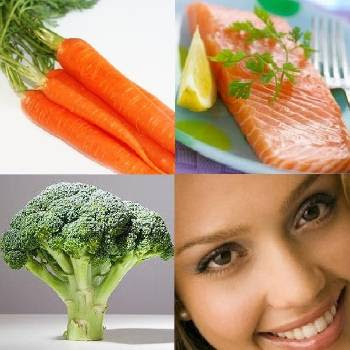
Fresh fruits and green, leafy vegetables are a vital source of antioxidants. Healthy eyes need a regular supply of the antioxidants found in Vitamins A, C, and E to stay strong and fight off the negative effects of aging and perhaps reduce the need for contact lenses or glasses. As little as half a carrot a day can give you the Vitamin A that you need to protect your eyes. Vitamin E is commonly found in nuts and sunflower seeds, whereas leafy vegetables, citrus fruits, broccoli, and sweet peppers are good sources of Vitamin C.

To further increase your eye health, add fish to your diet at least twice a week to include essential fatty acids in your diet. You should also keep an eye on your sweets, since refined carbohydrates like white sugars and processed flours can spike your blood glucose levels, which can increase your chances of macular degeneration.

By eating healthily and practicing good nutrition for your eyes, you can keep your vision strong and clear for many years to come.

Article by : Eye Contact Guide

Article Source : Nutrition for Your Eyes

Thursday, August 1, 2013

0 Breastfeeding 6 Reasons Why Breast Milk is the Best Nutrition


Breastfeeding: 6 Reasons Why Breast Milk is the Best Nutrition

Even before the birth of their baby, most pregnant women deal with the question of what type of infant feeding is the best for their newborn baby.

The natural form of infant nutrition, breastfeeding is on the one hand allows for a very intimate relationship between mother and baby, but on the other hand also impresses with numerous health benefits for the child. These are 6 good reasons why you should opt for breastfeeding and breast milk as food for her child.

First Optimal intake of nutrients and minerals

Breast milk provides the optimal nutrient and mineral composition for the baby. Depending on the age of the infant breast milk changes and adapts to the respective needs. In this way it is ensured that the baby is always supplied excellent with everything it needs.

Second Composition of breast milk adapts

The composition changes also brought as well as time of day and weather conditions: Is it, for example, very hot, and the female breast produces a larger amount of thirst-quenching foremilk.

Third Easy to digest - Good wholesome

At the same time, the mothers milk is easy to digest and easy to digest, so that it is also the sensitive and immature digestive system of the newborn infant optimally tolerated and absorbed.

4th Breastfeeding strengthens the immune system

Breastfeeding gives the baby an excellent prevention of allergies later on. Doctors advise pregnant women, where there are severe allergies in the family, be sure to to breastfeed her baby. But for many other diseases, such as diabetes, autoimmune diseases or infections Breastfeeding is the best prevention. Simultaneously contains milk immune substances, which protects the infant against both bacterial and viral infections. In addition, breast milk helps in developing a strong and healthy immune system.

5th Rarely by breastfeeding bad teeth

It has been proven that breastfed infants are sick less often and on average have better health. Skin contact with the mother on the one hand promotes the binding, on the other hand it is good for the psychological development of the child. Matching accessories for a beautiful pregnant women find breastfeeding relationship with baby-walz.de - a specialty store for maternity and baby items. By the suction movement of the mouth while nursing the mouth and facial muscles of the baby will be strengthened and trained, whereby the jaw development of the child is promoted. Still at the same time, children suffer less misalignment of teeth.

6th Breastfeeding reduces the risk of sudden infant death

Many mothers have great fear of sudden infant death syndrome, also known as SIDS, the acronym for Sudden Infant Death Syndrome. Breastfeeding alone can not prevent SIDS, but it is scientifically proven that babies who are fed with breast milk have better protection against SIDS.

Apart from the health aspects in favor of breast-feeding, breast-feeding has also its practical advantages. Home cooking eliminates tedious bottle and also when you are traveling, you have to not only look for a way, how and where you can feed your child. Breast milk is always available and very well prepared.

Wednesday, June 5, 2013

0 The Great Radish Nutrition


Radish nutrient content very much. Here is the nutritional content of rapeseed. The nutrients contained in the radish efficacious for various medical purposes. 

One of the benefits of radish that sat for renal impairment and fever medicine. Radish is also good for a cough, can produce mucus in the throat. Radish, generally made as a mixture of soup, tubers can be eaten raw or prepared as pickles (pickles). 

Radish Nutrition 

Radish, raw, root only, Nutritional value per 100 g (3.5 oz) 
Energy 66 kJ (16 kcal) 
Carbohydrate 3.40 g 
Sugar 1.86 g 
Dietary fiber 1.6 g 
Fat 0.10 g 
Protein 0.68 g 
Thiamine (Vit. B1) 0.012 mg (1%) 
Riboflavin (Vit. B2) 0.039 mg (3%) 
Niacin (Vit. B3) 0.254 mg (2%) 
Pantothenic acid (B5) 0.165 mg (3%) 
Vitamin B6 0.071 mg (5%) 
Folate (Vit. B9) 25 mg (6%) 
Vitamin C 14.8 mg (25%) 
Calcium 25 mg (3%) 
Iron 0.34 mg (3%) 
Magnesium 10 mg (3%) 
Phosphorus 20 mg (3%) 
Potassium 233 mg (5%) 
Zinc 0.28 mg (3%) 
Source: USDA Nutrient databas 

Radish by radish root form such as carrots, including the plant family Cruciferae.Content and radishes have white skin. 

Radish plant origin is from China. Currently many radishes grown in Indonesia. Radish crop easily grown in both low and high plains or mountains. 

Radish plants grown either in loose soil, soil acidity 5-6, the soil contains humus (fertile), the upper layer does not contain gravel (small stones). 

When planting radish plants, which both are in the rainy season or early dry season. If horseradish is grown in the dry season, of course, radish plants have enough water.
 

2012 i wanna free acne Health basic