Showing posts with label still. Show all posts

Monday, April 21, 2014

0 ANALYSIS OF FISH OIL STUDIES FINDS THAT OMEGA 3 FATTY ACIDS STILL MATTER


Literally hundreds of clinical trials, including some that have gained widespread attention, have been done on the possible benefits of omega-3 fatty acids for the prevention of heart disease – producing conflicting results, varied claims, and frustrated consumers unsure what to believe.

A recent analysis done by scientists in the Linus Pauling Institute at Oregon State University, published in the Journal of Lipid Research, has sorted through many of these competing findings, and it helps to explain why so many of the studies seem to arrive at differing conclusions.

The review concludes that both fish consumption and dietary omega-3 fatty acid supplements may still help prevent heart disease; that some fatty acids, from certain sources, are more effective than others; that these compounds may have enormous value for serious health problems other than heart disease; and that the very effectiveness of modern drug therapies for heart disease may be one explanation for the conflicting findings on the benefits of omega-3 fatty acids.

“After decades of studying omega-3 fatty acids, it’s clear that they have value in primary prevention of heart disease,” said Donald Jump, author of the analysis, a principal investigator in the Linus Pauling Institute, and professor in the OSU College of Public Health and Human Sciences.

“It’s less clear how much impact fish oils have in preventing further cardiovascular events in people who already have heart disease,” Jump said. “The studies done several decades ago showed value even for that patient population, but the more recent studies are less conclusive. We believe that one explanation is the effectiveness of current state-of-the-art treatments now being offered.”

Some of the earliest work that raised interest in omega-3 fatty acids was done in the 1970s with Greenland Inuits, who ate large amounts of fish and were found to have unusually low levels of cardiovascular disease. But, Jump said, millions of people now at risk for cardiovascular disease take medications such as statin drugs for high cholesterol; fibrates for high triglycerides; anti-thrombotics to thin their blood; and other drugs with anti-inflammatory or anti-arrhythmia effects.

Fish oils can have positive effects on virtually all of these same cardiovascular risk factors, Jump said, but so can the drugs.

“Some of the early studies done on fish oil were prior to so many effective medications being widely available and heavily used,” Jump said. “And people often forget that nutrients, like fish oils, are less potent than prescription drugs, and often have their best value when used for extended periods.

“When so many people in these studies are taking a regimen of medications to address the same issues that fish oil might also affect, it’s easy to understand why any added benefit from the fish oils is more difficult to detect,” he said.

The point, Jump said, is not that omega-3 fatty acids have no value – they do. But for studies of their value in cardiovascular disease, which are often done when patients are taking other medications, that value is less clear.

A wide body of other research, he says, makes it clear that omega-3 fatty acids also have health benefits that go beyond cardiovascular disease. They have been shown to improve visual acuity; improve cognitive function and reduce dementia; reduce inflammation and perhaps some types of cancer, such as colon cancer; and reduce total mortality.

Among the findings of this review:

- An important type of omega-3 fatty acid for human health is DHA, which is the predominant omega-3 fatty acid that accumulates in tissues.
- Plant-derived sources of these fatty acids, such as flaxseed oil or chia seeds, have less benefit than those from cold-water fish, because of differences in how the human body processes these nutrients.
- For individuals unwilling or unable to consume fish or fish-oil supplements, some products made from yeast or algae are high quality.
- It’s difficult to be certain of the amount of omega-3 fatty acids in farm-raised fish, since these fish require dietary omega-3 supplementation.

“We still believe the evidence is strong that the EPA and DHA content in heart tissues and blood is important to health and to the prevention of cardiovascular disease,” Jump said. “To meet the current recommendations for primary prevention of cardiovascular disease, individuals are advised to consume 200-300 milligrams of combined EPA and DHA per day.”

This research was supported by the U.S. Department of Agriculture and the National Institutes of Health.

Friday, December 6, 2013

0 Hepatitis Still Threaten Southeast Asia

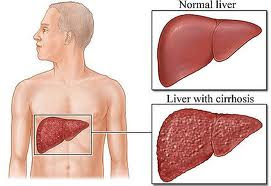
Hepatitis Still Threaten Southeast Asia | World Health Organization (WHO) estimates that in 10 years, more than 5 million people in the countries of Southeast Asia will die due to viral hepatitis. An estimated 100 million people living with chronic hepatitis B infection, while 30 million are chronically infected with hepatitis C.

World Hepatitis Day is marked on 28 July each year. Campaigns carried out so that people are more aware about the causes of hepatitis and hepatitis.
Hepatitis Still Threaten Southeast Asia

Types of Hepatitis

Hepatitis means swelling of the liver. There are 7 types of hepatitis are marked with the letters A through G. There are 4 types that are often encountered, namely:

1. Hepatitis A,
2. Hepatitis B,
3. Hepatitis C and
4. Hepatitis E.

Over the whole virus can cause acute illness with symptoms that can last several weeks, such as skin color, and yellow eyes, dark urine, feeling very tired, nausea, vomiting and abdominal pain.

Because hepatitis B and C usually do not cause specific symptoms, so many people are not aware of the disease, until the later onset of symptoms of cirrhosis or liver cancer within a few years later. About 65 percent of patients with hepatitis B and 75 percent of people with hepatitis C do not know they are infected.
"Viral Hepatitis take priority resources and efforts. Surveillance is the key to good control. Hepatitis B immunization in children should be able to cover 95 per cent," remarked by WHO Regional Director for Southeast Asia Dr Samlee Plianbangchang. "Examination of hepatitis B and C the blood and blood products should be standard procedure, "he added.

Hepatitis A and hepatitis E is also a serious health problem. In Southeast Asia, every year there are approximately 12 million cases of hepatitis E. This amount is half of hepatitis E in the whole world. The extent of the population infected, especially if the cause of the outbreak, would cause serious health problems.
Both diseases are accelerated its spread through contaminated food and water in an unhealthy environment. In most countries of Southeast Asia, the pace of development trigger the acceleration of urbanization. Dense urban areas is the right environment for the spread of this hepatitis virus.

Sunday, December 1, 2013

0 Autism Expert Still Limited

Autism Expert Limited | The number of persons with autism in Indonesia continues to increase, but the number of doctors who can diagnose and appropriately educated therapists are very limited special. Another problem, and the rejection of the negative view of autism is still strong.

Chairman of Autisma Indonesia Foundation (YAI) Melly Budhiman between YAI celebration of 15 years in Jakarta, Wednesday (14/3), said that so far doctors are able to handle cases of autism is a child psychiatrist.

The number of child psychiatrists in Indonesia is only about 40 people, over half are located in Jakarta. Many in the provincial capital, like Banda Aceh and Kendari, not having a child psychiatrist autism despite considerable number of persons.

Until now, no exact data on the number of persons with autism in Indonesia. From the records of the doctors note, doctors deal with 3-5 patients per year in 1980 with autism. Now many doctors to handle the maximum limit of three new patients per day.

Doctors and therapists

According to Melly, YAI with the government had conducted training for doctors at the clinic to be able to diagnose the symptoms of autism. The problem, therapy is difficult due to limited pascadiagnosis therapist.

Therapists who have adequate capacity is less. In order to get proper treatment, the parents need to ask the education and training that therapists who have trained their children.

This type of therapy given depends on the needs of persons with autism. Its such a tough speech therapy for communication and behavior therapy for children whose behavior is controlled.

The cause of autism is not known

Until now, the exact cause of autism is unknown. Autistic brain conditions and normal children alike. Only autistic brain function not as well as normal children brain.

The study mentions only autism is caused by a combination of genetic factors that make the body lose the ability to remove toxins in the body and the environment from the negative exposure of pollutants, such as lead, or the consumption of foods with preservatives and dyes that are not safe.

"Because no known cause, autism can not be prevented," said Melly.

Societys negative view of autism is still strong, particularly outside Jakarta. Children with autism often regarded as a crazy child.
 

2012 i wanna free acne Health basic