Showing posts with label plants. Show all posts

Friday, December 13, 2013

0 Anti Cancer Plants and Fruits

Anti-Cancer Plants and Fruits

Anti-Cancer Plants and Fruits

1. Tomato, known to treat prostate cancer, by eating tomatoes that have been boiled.

2. Red pepper, known to prevent colon cancer if consumed in the long term.

3. Grape seed, grape seed is also known to have anti-cancer compounds. Therefore, if you eat grapes, look who has the seeds and eat with the skin.

4. Red betel leaf, known as an anti-breast cancer by boiling.

5. Wild Ginger, known to have active substance cursil that is as anti-inflammatory and anti-cancer.

Some medicinal plants in Indonesia contain anti-cancer drugs, such as sitotoksin who has the ability to kill and detecting cells that grow abnormally. The compounds in this plant can function in the form of joint, but there is also a single.

Technorati Tags: red betel leaf, anti cancer, anti oxidant, betel benefit, betel plant,

Friday, October 25, 2013

0 Benefits of Reeds For Medicinal Plants

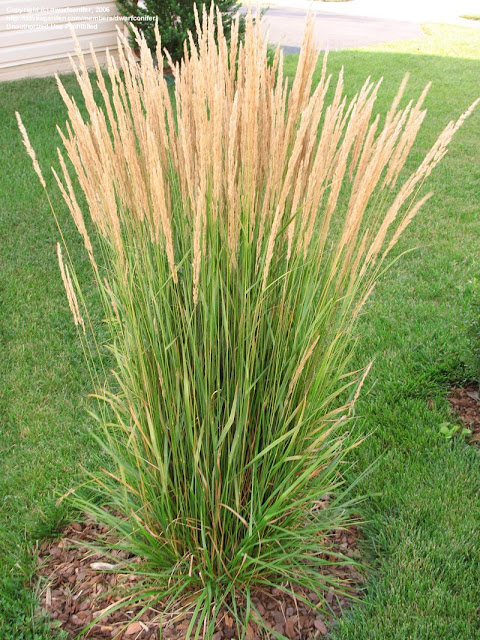
review about the benefits of grass for healthBenefits of weeds as medicinal plants :: Reed kind of weed is a plant that is very easy to find in the area or paddy fields. Plants by scientific name is Imperata cylindrical indeed thrive in the area and its development can beat that was intentionally planted crop farmers.

Behind existence as weeds, reeds apparently also has a good role in protecting the soil from erosion. Rapid growth and root development are interlocked between trees form a strong fabric of the rhizome that can hold the soil around it.
The leaf weeds are also widely used for the roof of the house. Another part of the reeds that can be used are fine fibers of flower panicles can be used to fill bedding / pillows instead of kapok.
Classification and General CharacteristicsClassification reeds

    
Kingdom: Plantae
    
Division: Magnoliophiyta
    
Class: Liliopsida
    
Order: Poales
    
Family: Poaceae
    
Genus: Imperata Species: l.cylindrica
Plant Characteristics Reed

    
Grass chronic, long buds scaly, slithering grow underground. Shoots shoots that grow out of the ground pointy sharp.
    
Short trunk towering up above ground growth and flowering. Between 0.2 to 1.5 m high.
    
Each leaf blade lanceolate form a line with the tip of a pointed leaf. The base narrows berbetuk gutters, leaves about 12-80 cm long, rough and jagged edges sharp, long-haired section base, the veins are generally broad and pale in the middle.
    
Bouquet of flowers in a panicle, about 6-28 cm long, with a long-haired kid grains (white) as a tool to levitate fruit when ripe grain.
Benefits of grass for health.From some of the research that has been done. Reeds contain a number of chemical elements that are beneficial to health. These elements are abundant in the roots. Chemical elements some of which are: mannitol, glucose, citric acid, malic acid, arundoin, coixol, fernerol, silindrin, anemonin, simiarenol, achine, saponins, alkali, polyphenols, and taninin.
With the elements mentioned above, the weeds have antipyretic properties that are down the heat, which is shed urinary diuretic, hemostatic that can stop bleeding, can make a cool and relieve thirst.
Below are some of the benefits of weeds as medicinal plants, among others, can treat:

    
Swelling due to acute kidney inflammation
    
Swelling due to hit the
    
Treat infections of the gastrointestinal tract
    
Bleeding due to blood heat, such as nosebleeds, coughing up blood, vomiting blood etc.
    
Bleeding in women
    
Difficult urination or urine continuously
    
Fever that accompanied thirsty
    
Weakened nerve
    
Inflammation of the lungs
    
Whitish in women
    
Indigestion
    
Coronary heart
    
Cough, flu, diarrhea
    
Asthma
    
Gonorrhoea (gonorrhea)
    
High blood pressure
    
Etc.
Similarly, a brief review of the benefits of weeds as medicinal plants, smoga this article can add your knowledge about medicinal plants. And especially knowing the benefits that are stored in the reeds which is more known as crop pests.

Friday, September 20, 2013

0 Via Noni Fruit Benefits of Medicinal Plants

Noni Fruit Benefits :: Noni or in the Hawaiian language, known as the Polynesian noni plant is one drug that saves a lot of properties that are good for your health.
Plants that have a less palatable flavor and aroma is classified into species Morinda citrifolia L and is still one family with Rubiaceae (tribe coffee-copy).
Classification and General Characteristics Noni
Classification noni plant

    
Kingdom: Plantae (Plants)
    
Subkingdom: Tracheobionta (vascular plants)
    
Super Division: Spermatophyta (produce seed)
    
Division: Magnoliophyta (flowering plants)
    
Class: Magnoliopsida (dashed two / dikotil)
    
Sub Class: Asteridae
    
Order: Rubiales
    
Family: Rubiaceae (tribe coffee-copy)
    
Genus: Morinda
    
Species: Morinda citrifolia L.

Local name for Morinda: Cangkudu (Sunda), Tibah (bali), Kodhuk (Madura), Keumeudee (Aceh), Pace, Kemudu, Kudu (Java)
General Characteristics NoniTreeNoni tree can grow to a height of between 3-8 m. Size is not large trees with twisted trunks. Tree limbs stiff, rough, taproot, stem color grayish brown or yellowish brown, parted in a shallow, rectangular subsidiaries. Canopy evergreen throughout the year.
LeafLeaves located opposite each other, thick glossy leaves, oblong-lanceolate shape, size, thickness and single, about 15-50 x 5-17 cm, the edges of the flat, short tapered end, the base of the wedge-shaped, pinnate leaf veins.
InterestTubercular danb rimmed round 1-4 cm. Growing axillary panicles fulcrum section dealing with leaves that grow normally. Androgynous flowers, petals white color, shape corongm up to 1.5 cm long. Stamens situated at the mouth of the crown. Berputing two anthers. Flowers bloom petals dri-shaped bunches.
FruitFlower petals grow into a round or oval fruit like chicken eggs. The surface of the fruit as the cells divided into polygonal (many-sided) freckled or warty. Will fruit in a fixed petal edges with a green and yellow. At first the fruit is green when young, and become yellowish white fruit before cooking and after a really mature into white transparent and soft. The pulp is made up of stone fruit shaped pyramid / triangle elongated shape and reddish brown, (Steenis, 1975).
SeedColor black seeds, which are hard albumen and air space was evident. Noni seeds have the power to grow tall, though stored for 6 months. Sprouts appear 3-9 weeks after seed sown. Noni growth has been rapid, within 6 months only noni plant can reach a height of 1.2 to 1.5 m.
The content of Noni fruitNoni plant part that is often used is part of the fruit. In the noni fruit, contained a great many substances which are very good for the body. Among others:
1.Zat NutritionNoni fruit contains substances that the body needs such as protein, vitamins and essential minerals such as selenium is an antioxidant that is very goodImportant compounds such as xeronine, plant sterois, alizarin, lycine, sosium, caprylic acid, arginine, proxeronine, quinines well as between, trace elemens, phenylalanine, magnesium, etc..
2.Senyawa-important compounds such as:- Terpenoids.role in the process of organic Sintesi and recovery of body cells.- ScolopetinAnti-inflammatory and anti-allergic a very effective
3.Zat anti-bacterialNoni juice contains anti-bacterial, these substances act pentin within a number of bacteria spreading deadly infections such as Pseudomonas aeruginosa, Staphylococcus aureus, protens morganii, Escherichia coli and Bacillus subtilis.In addition, anti-bacterial substances noni fruit can also control bacterial pathogens such as s. scotmuelleri, Shigella dusenteriae, S. typhi, S. flexnerii, montivideo Salmonella, Staphylococcus aureus, and s. pradysenteriae.
4.Zat anti-cancerThese substances play an effective role within against abnormal cells
5.Zat acetylRole in deadly germs
6.Zat moridonInstrumental in launching defecation
7.Zat soranjidiolInstrumental in launching urination
8.Zat terpenesCan meramajakan body cells pd
9.Zat hipokelemestikPlay a role in lowering blood cholesterol within
Benefits of Noni fruit to the body
From the description above we can conclude a number of benefits and efficacy of noni fruit, among others:

    
Improve our immune system because the rich natural anitoksidan.
    
Will prevent the spread of cells - cancer cells.
    
Prevent tumor
    
Treating abdominal pain, fever and cough
    
Pain reliever.
    
Normalize blood pressure.
    
Controlling functions of the cells in the body.
    
Regenerate tissue cells in the body which is broken.
    
Neutralize free radicals.
    
Improving energy.
    
Maintaining heart health.
    
Boost the immune system.
    
Overcoming diabetes.
    
Launching the bodys digestive tract, etc..
Similarly, review the benefits of noni fruit as a medicinal plant family, also see our next article to review the benefits of consuming raw onion for health.

Sunday, September 15, 2013

0 The leaves of plants Spoon For Alternative Medicine

Spoon leaves a weed in the tea plantations of rubber dna, or growing wild in the woods, fields, and lawns are a little damp, sometimes planted in a pot as a medicinal plant. This plant comes from the plains of Asia and Europe, can be found from the lowlands to an altitude of 3300 meters above sea level. Single leaf, long-stemmed, arranged in a rosette roots. Round egg shape to lanceolate leaves broad, flat or jagged edges rough irregular, smooth or slightly hairy, pertulangan curved, 5-10 cm long, 4-9 cm wide, green color. Compound inflorescence composed in small grains - small, white color. Fruit oblong or ovoid, containing 2-4 seeds are black and wrinkled. Young leaves can be cooked as a vegetable. Propagation by seed.


Region Name
Ki Vein, Ceuli, Ceuli uncal (Sunda), Meloh Kiloh, Muscle - ototan, sangkabuah, sangkabuah, sangkuah, Blumea muscle, suri Pandak (Java), leaf veins, leaf veins, leaf scoop, tail wind, deer ears ( Sumatra), Torongoat (Minahasa), Che Qian Cao (China), Ma De, Xa Tien (Vietnam), Weegbree (Netherlands), Plantain, Greater Plantain, Broadleaf Plantain, Rats Tail Plantain, WayBread, White Mans Foot (English).
Part Used
Herbs, seeds, roots. Seeds were collected after being cooked and then roasted or cooked in salted water.
Usefulness
Herbaceous:
Disorders of the urinary tract.
Gallstones, kidney stones.
Inflammation of the prostate (prostatitis).
Influenza, fever, whooping cough (pertussis), inflammation of the airways (bronchitis). Diarrhea, dysentery, stomach pain.
Red eye inflammation (konjungtivistis), explains the blurred vision.
Diabetes mellitus (DM).
Acute hepatitis with jaundice (acute hepatitis jaundice)
Worms, insect bites, and
Bleeding such as nosebleeds, coughing up blood.
Root:
Whitish (leukore).
Muscle pain.
Seeds:
Gastrointestinal disorders in children (dyspepsia)
Lust stimulant (aphrodisiac), semen beser (spermatorea)
Urinary pain (dysuria), difficult kencin, feeling the belly of the bottom epnuh
Diarrhea, dysentery
Wormy
Blurred vision
Red eyes, swelling and pain due to heat in the liver.
Cough with phlegm and feels much
Give, give, high blood pressure (hypertension)
Jaundice (jaundice)
How to use
as much as 10-15 grasm dried herbs, fresh or boiled as much as 15-30 grams, then drink the water. Fresh herbs can also be crushed and then pressed and filtered for drinking water. For external use only, and affixed a thin fresh herbs on the wound bled, scalded, or boils, and then bandaged.
Launched a piss
a. daunsendok fresh herbs as much as 6 ounces of washed add rock sugar to taste. The material is boiled until the water boiled the remaining half. Drink tea and spend the day.
b. tablespoon fresh herb leaves washed and pounded until blended squeeze and strain accumulated up to ½ cup water. Add 1 tablespoon of honey and drink as well.


Bloody urine
heba tablespoons of fresh leaves washed and finely ground. Squeeze and strain through a glass collected. Drink before dinner.
Heat dysentery
spoon leaf herb washed and finely ground. Squeeze and strain through a glass collected. add 2 tablespoons honey, stirring evenly. The juice is then steamed for a while. While drunk while warm.


Basilar dysentery, diarrhea
tablespoon of fresh herb leaves 30gram after washed and boiled with 2 cups water to the remaining 1 cup boiled water. After chilling filtered, water is taken two times a day, each ½ cup.


Nosebleed
Tablespoons of fresh leaves as much as 15 grams of washed and crushed. Pour boiling hot water. After cold pressed and filtered, then drink as well.


Congested cough, coughing up blood
Tablespoon fresh herb leaves as much as 60 grams of washed and added water until submerged and 30 grams of sugar cubes. Steamed until boiling for 15 minutes. Drink while warm.
Kompisi
This herb is sweet and cool as well and eliminate hunger. Seeds are sweet, cool, go meridian kidney, liver, intestine and lung. Chemical Ingredients: This herb contains plantagin, aukubin, asamursolik, beta-tosterol, n-hentriakontan, and plantaglusidem consisting of methyl D-galakturonat, D-galactose, L-arabinose and L-rhammosa. Also contains tannin, potassium and vitamins (B1, C, A)

Saturday, September 14, 2013

0 Reed Plants Benefits for Health

Reed plants [Imperata cylindrical] benefits for health among other like: Shed in urine, pain reliever, and lower high blood pressure.

The part of reed plant that using for drug
- Root of plant

How to healing disease with reed

* Take 20-30 gr dry root of reed plant, the boil with 4 glasses of water, until remain only 1,5 glasses. After cool, filter the water, then drink 3 times per day, [1/2 glasses for 1 x]

Reed Plants Benefits for Health


2012 i wanna free acne Health basic